Frontal hairline
A receded frontal hairline and thinning temples, rebuilt to a lower, denser front line. Photographed at six months, so the result was still filling in when the second picture was taken.
- Grafts
- 2,800
- Photographed
- 6 months post-op
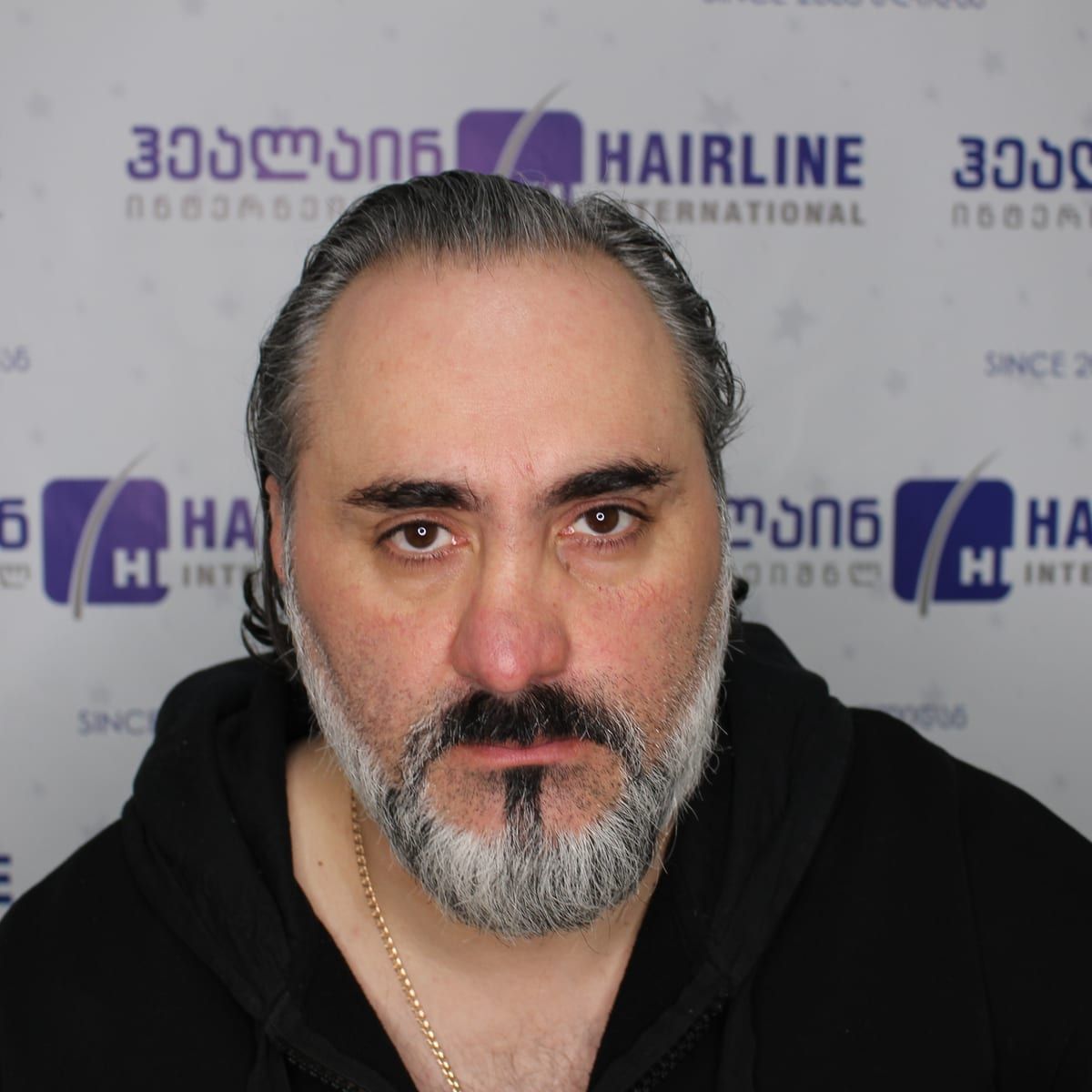
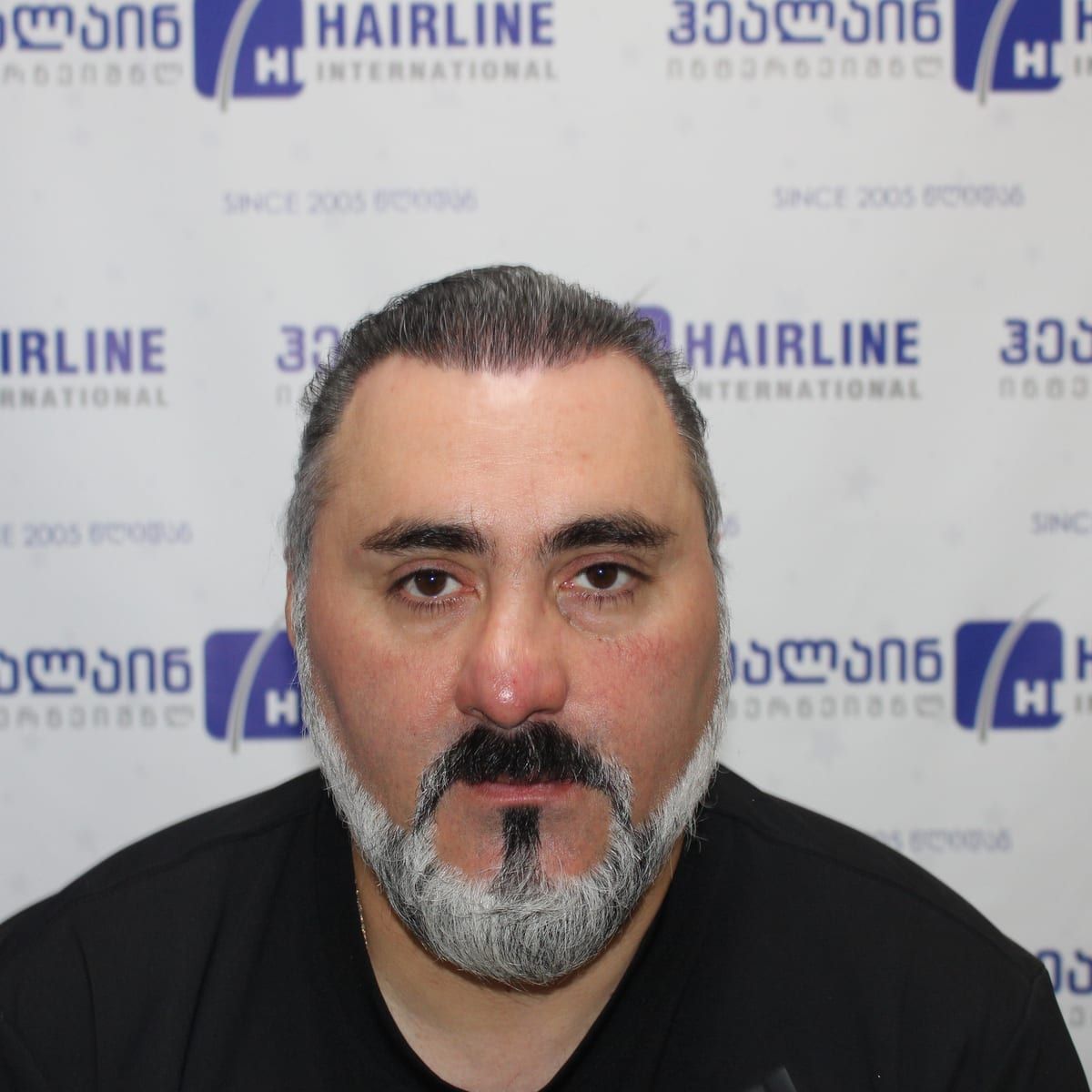
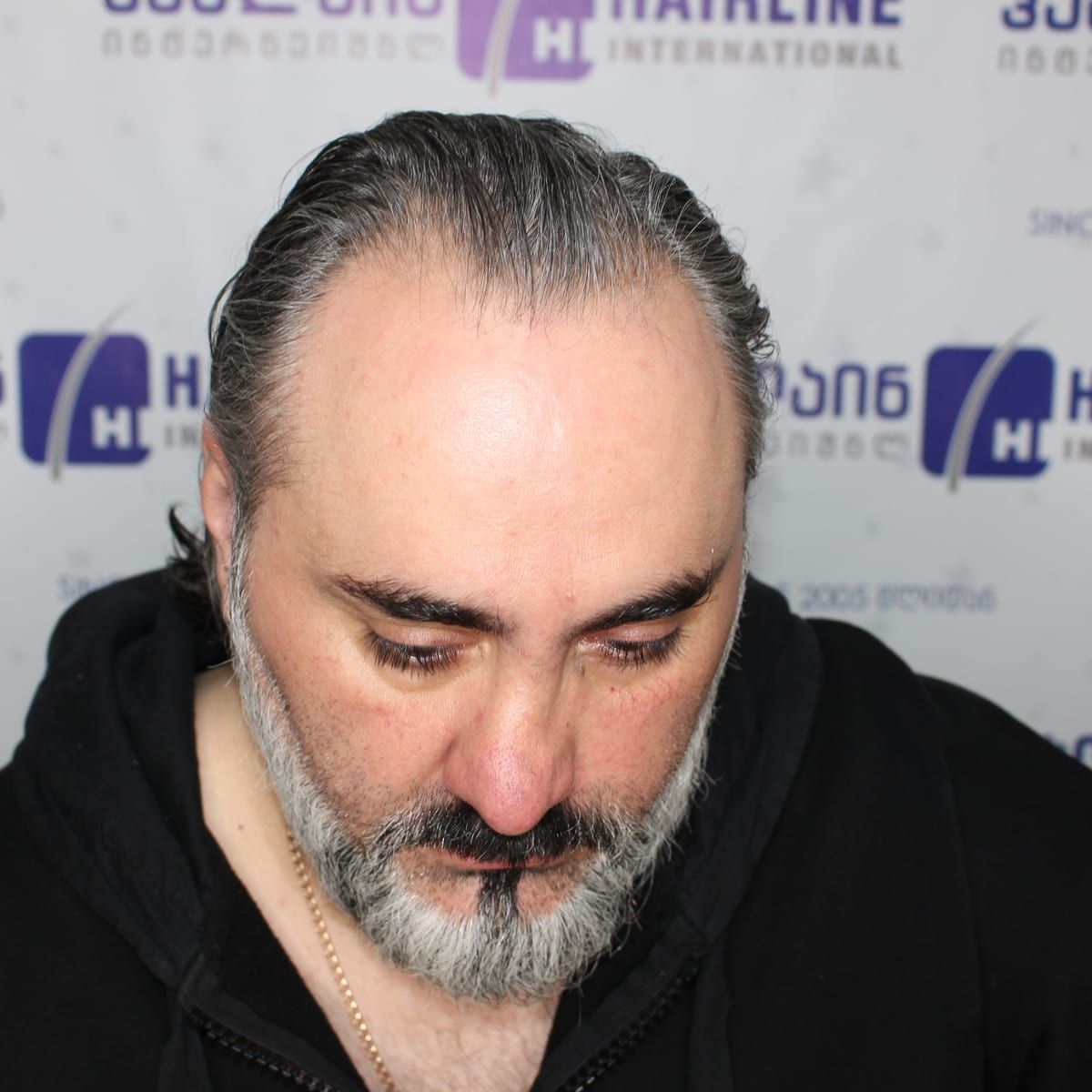
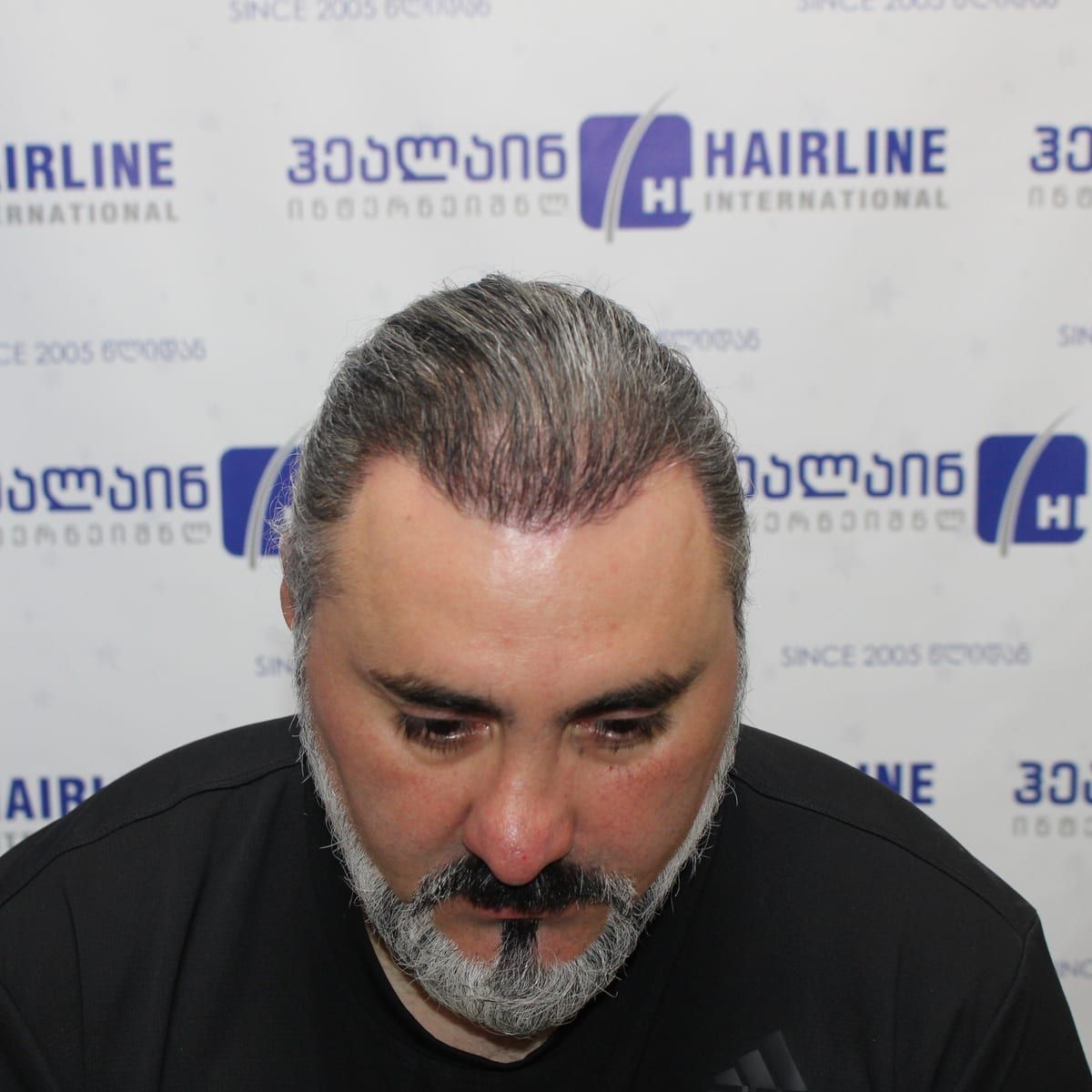

Every photograph below is a Hairline International patient, taken at the clinic before surgery and again at follow-up. Each case states the graft count and how many months after surgery the second photograph was taken. Nothing is retouched, and before and after are shot in the same place under the same light. Where a patient asked not to be recognised, the face is blurred; the hair and scalp are left untouched.
Published with the patients' consent. Results vary – graft count, donor supply and the extent of loss differ in every case, and none of these is a prediction for yours.
A receded frontal hairline and thinning temples, rebuilt to a lower, denser front line. Photographed at six months, so the result was still filling in when the second picture was taken.
Extensive crown loss covered in a single session. The patient wore his hair long beforehand to disguise it and cut it short once there was something to show.
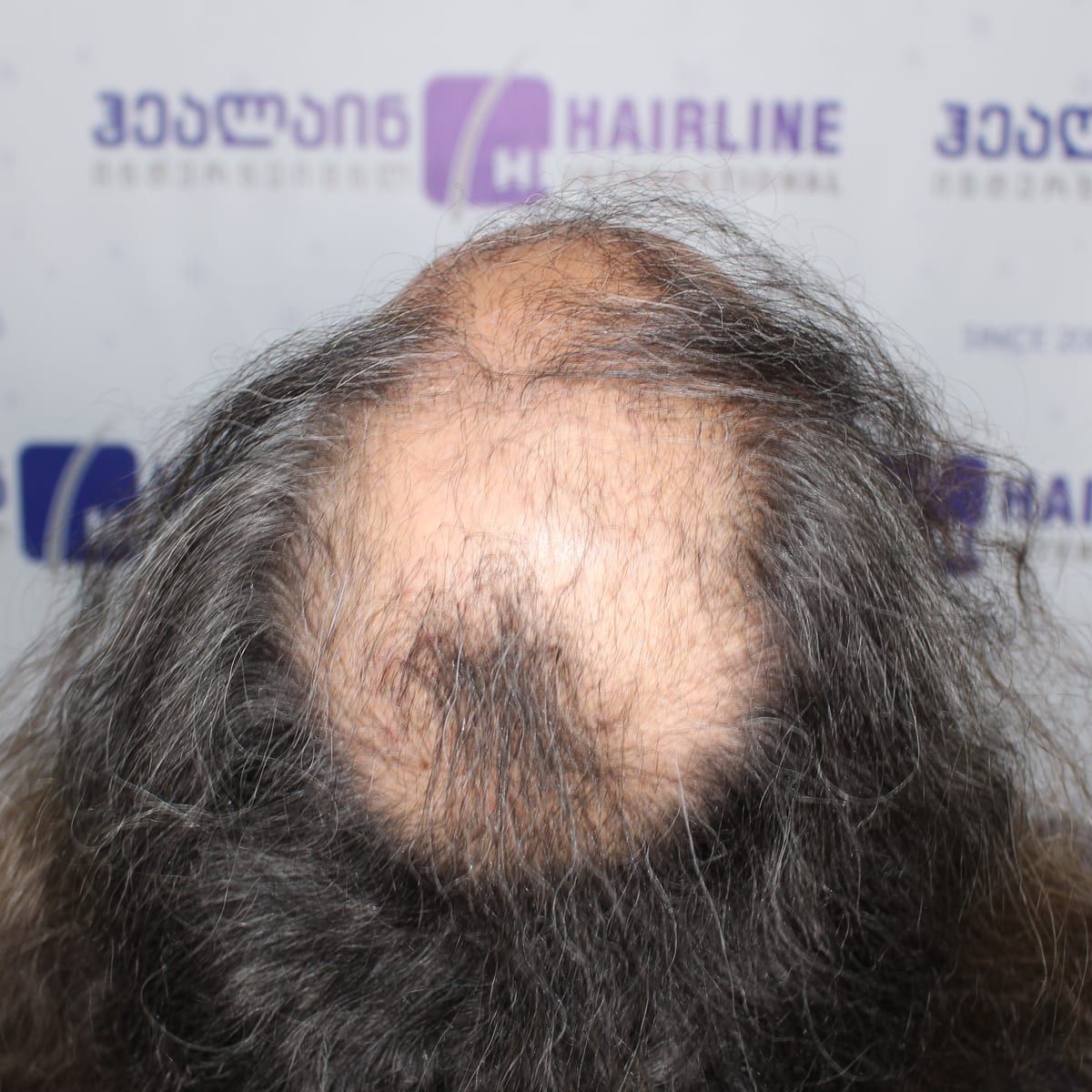
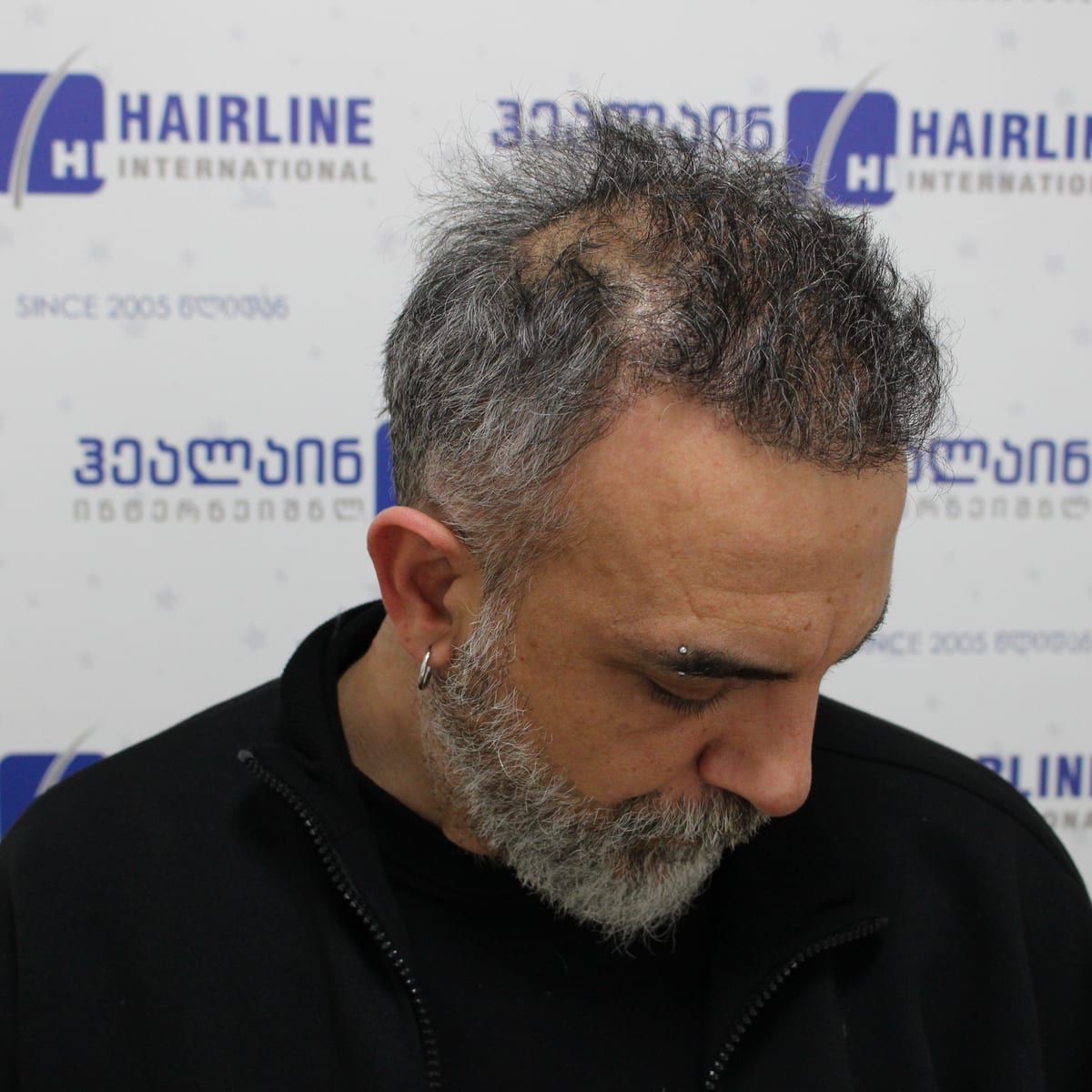
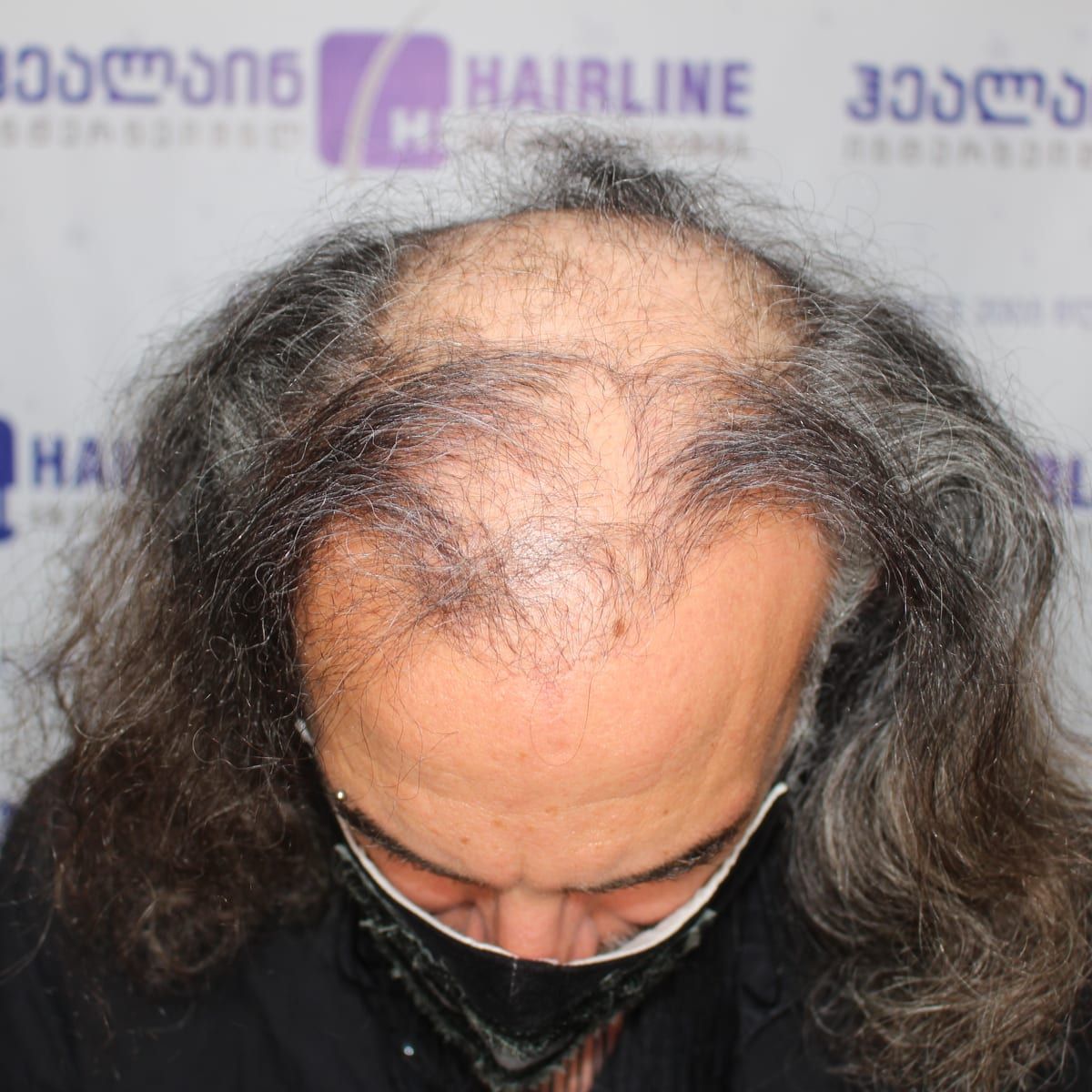
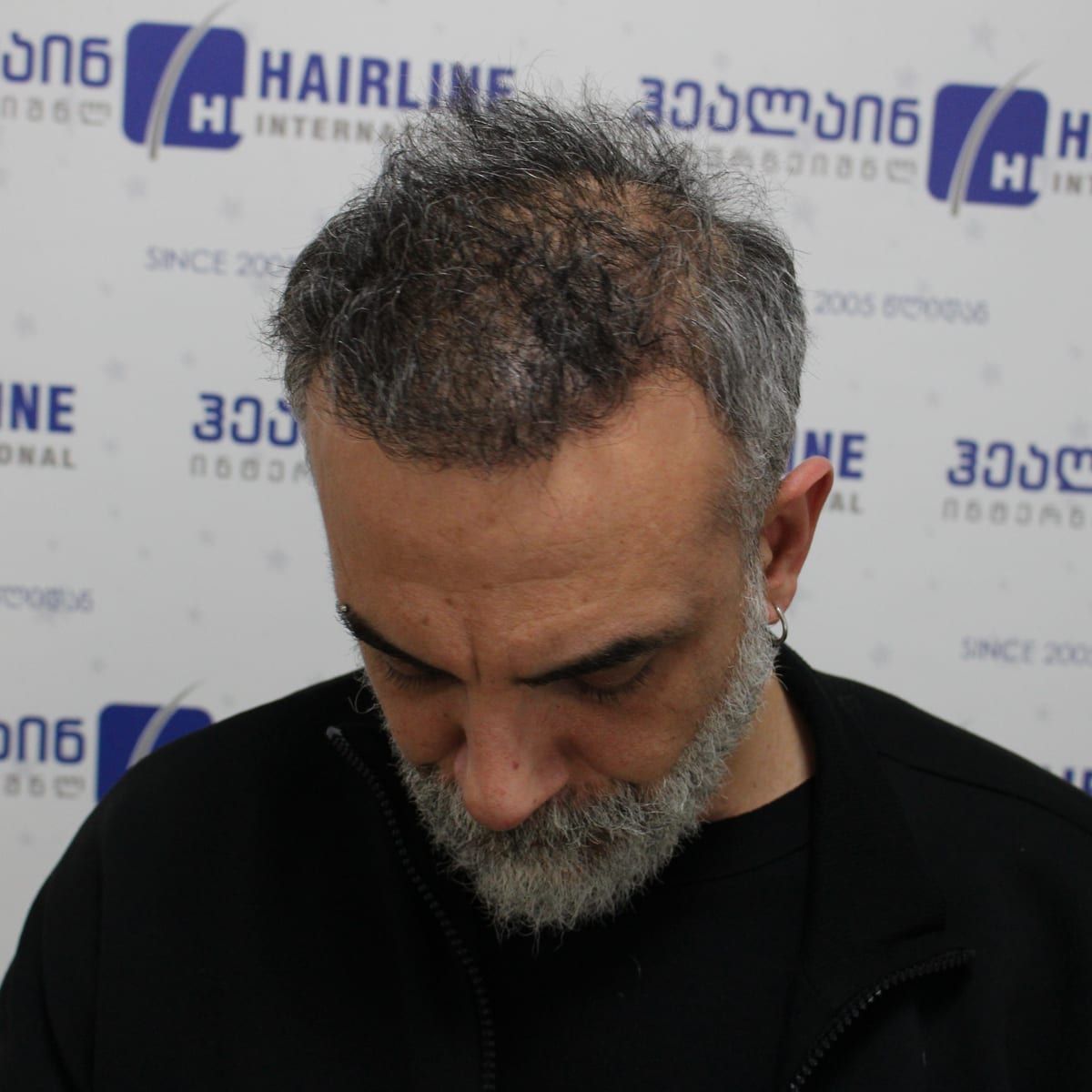
Norwood 7 – the most advanced pattern on the scale, and the limiting factor is donor supply rather than technique. Treated across two procedures eight months apart, photographed six months after the second.
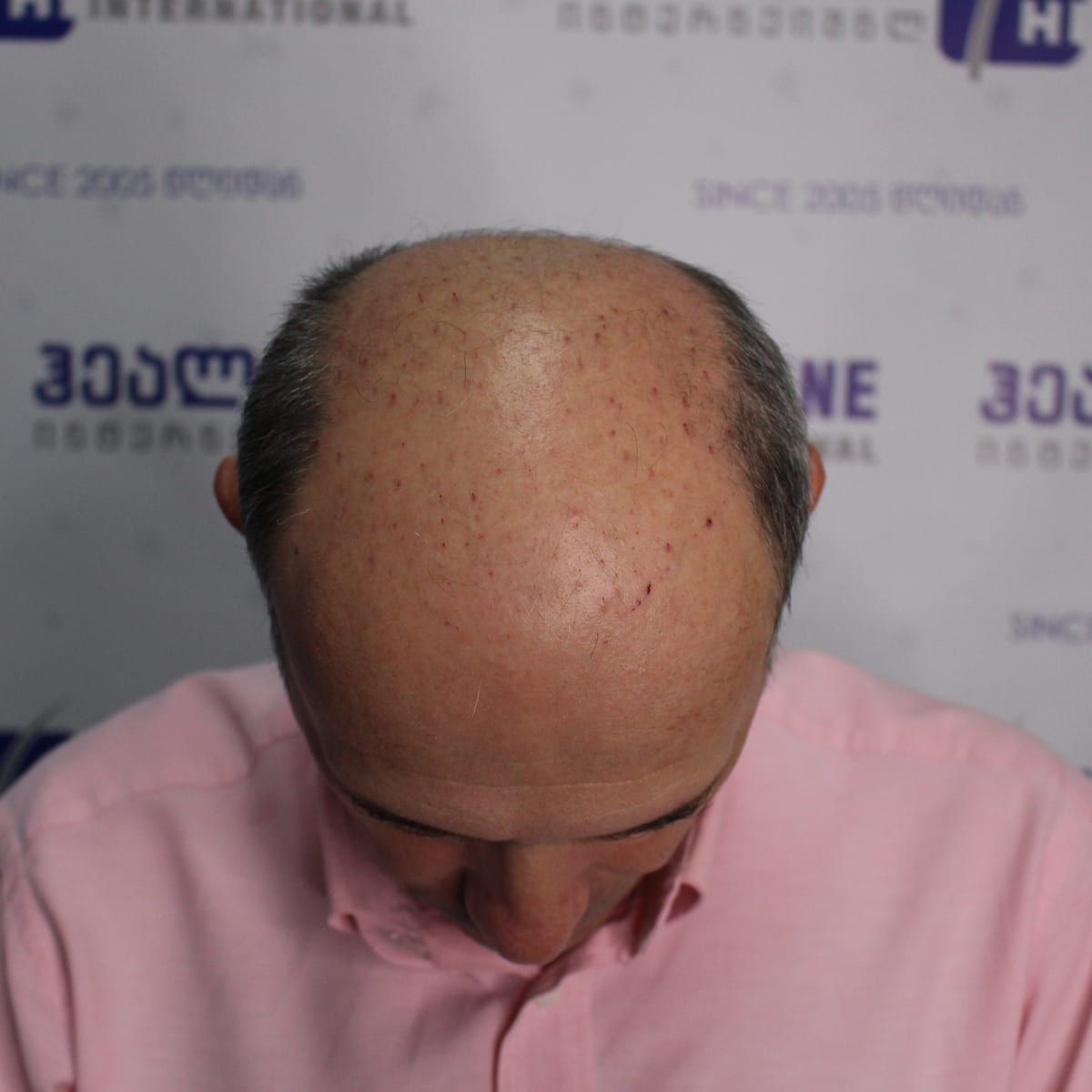
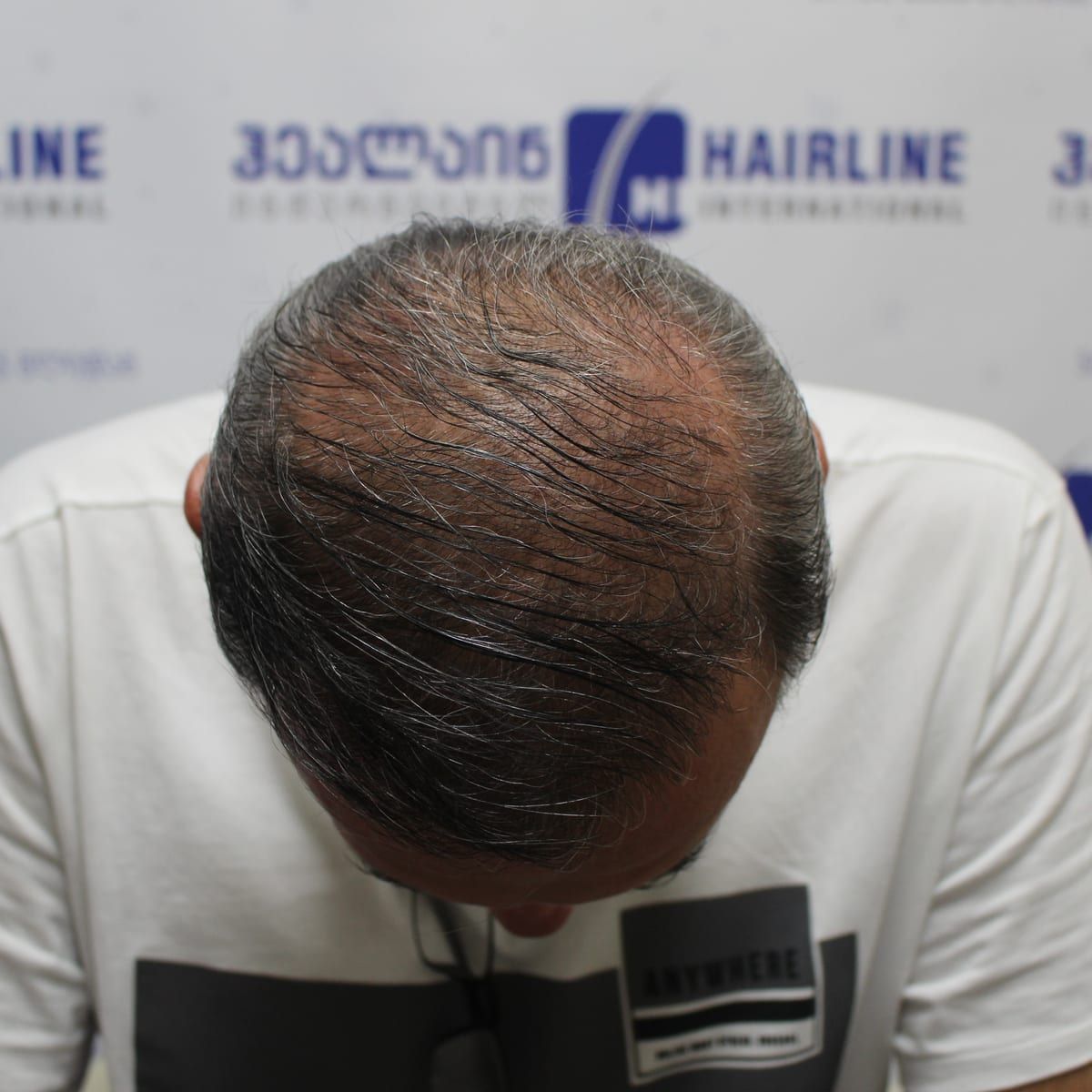
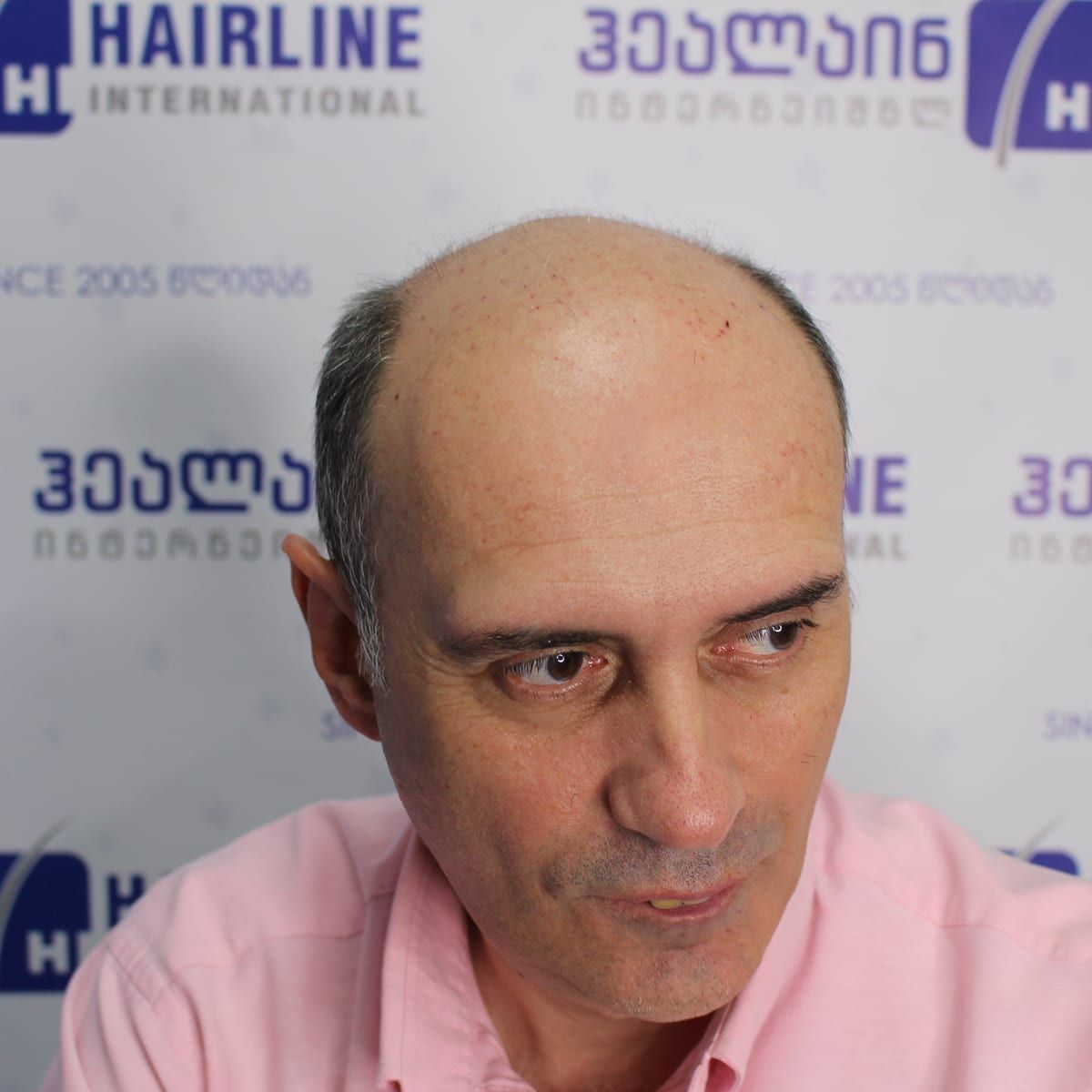

Thinning across the front, the mid-scalp and the crown, treated in a single session. Photographed eleven months after surgery.
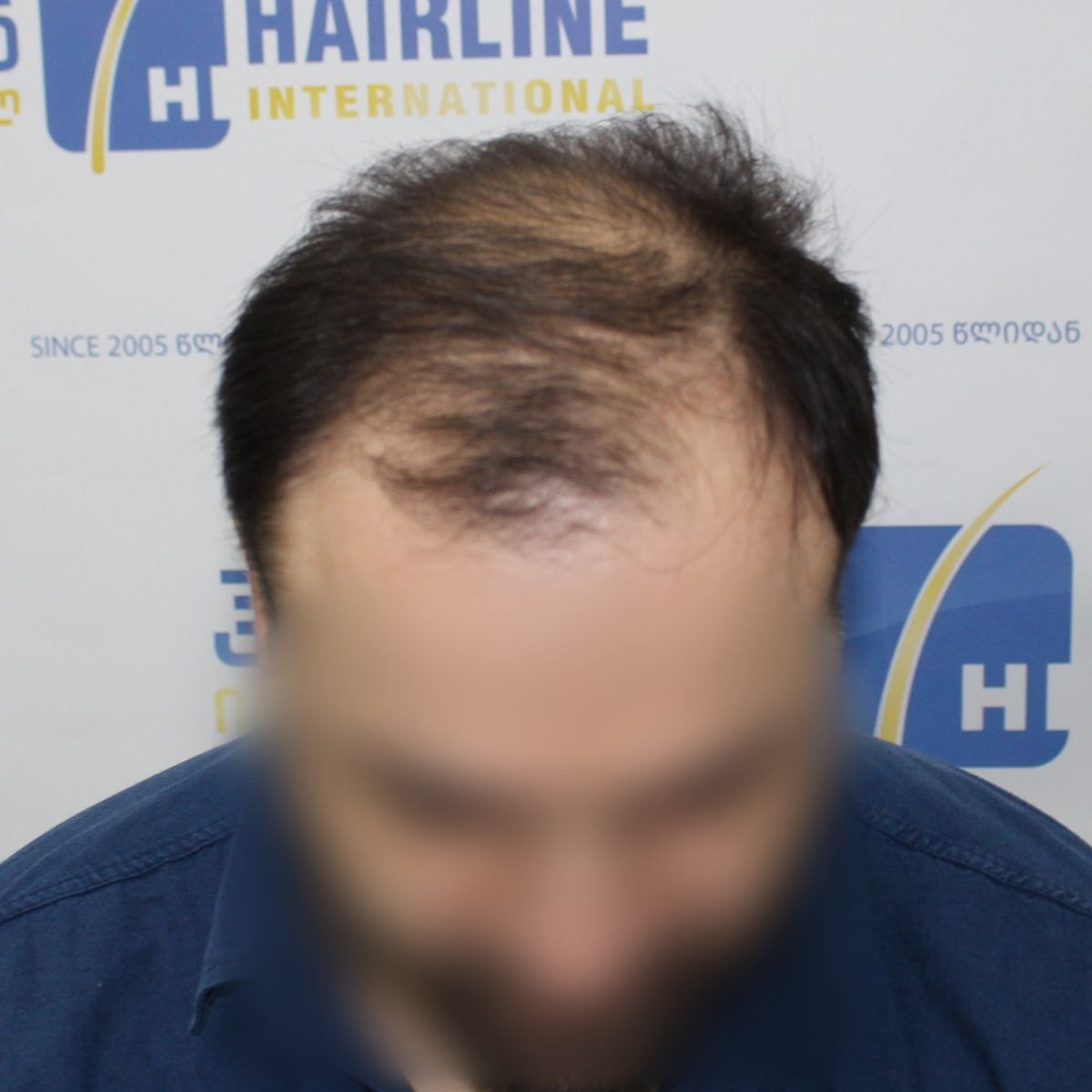
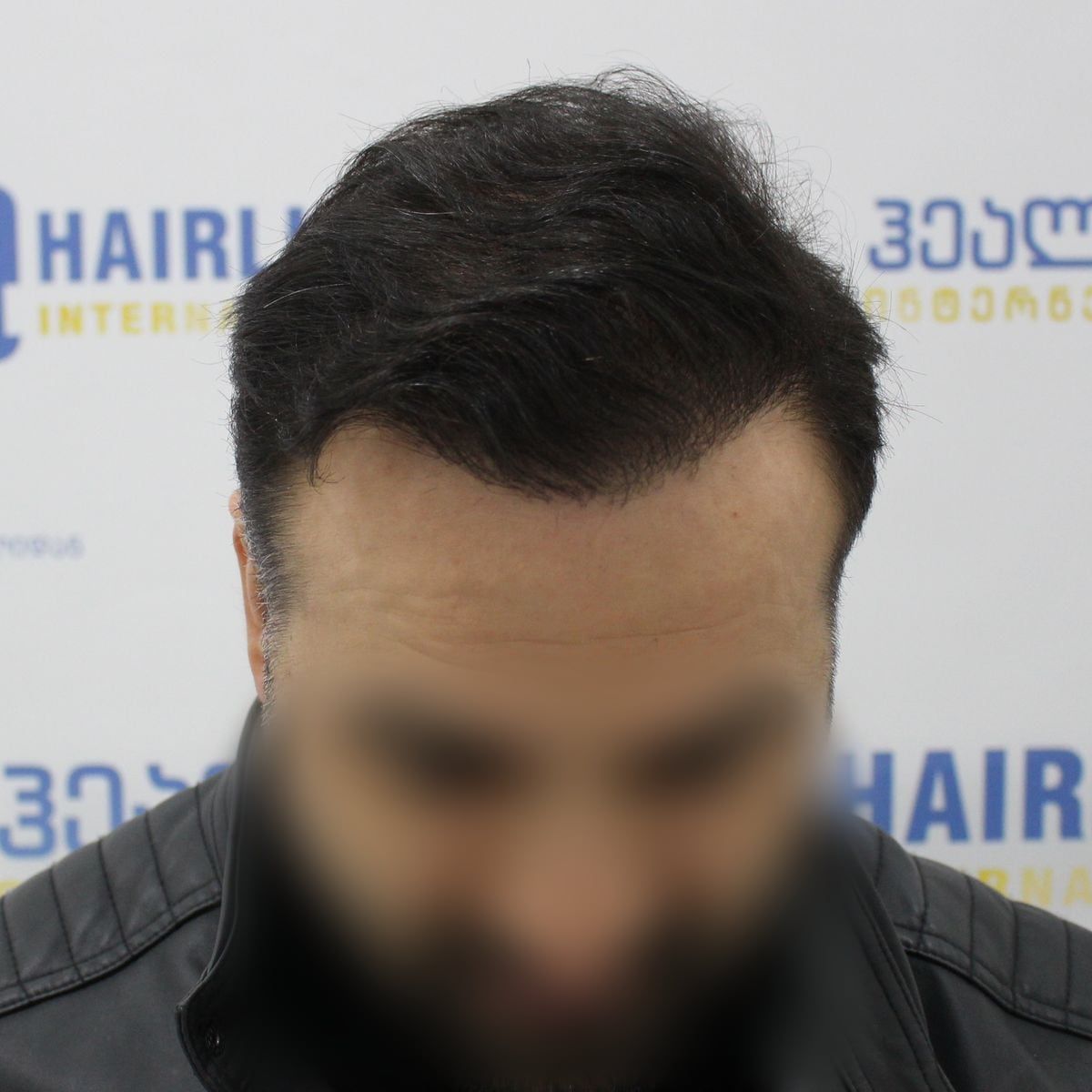
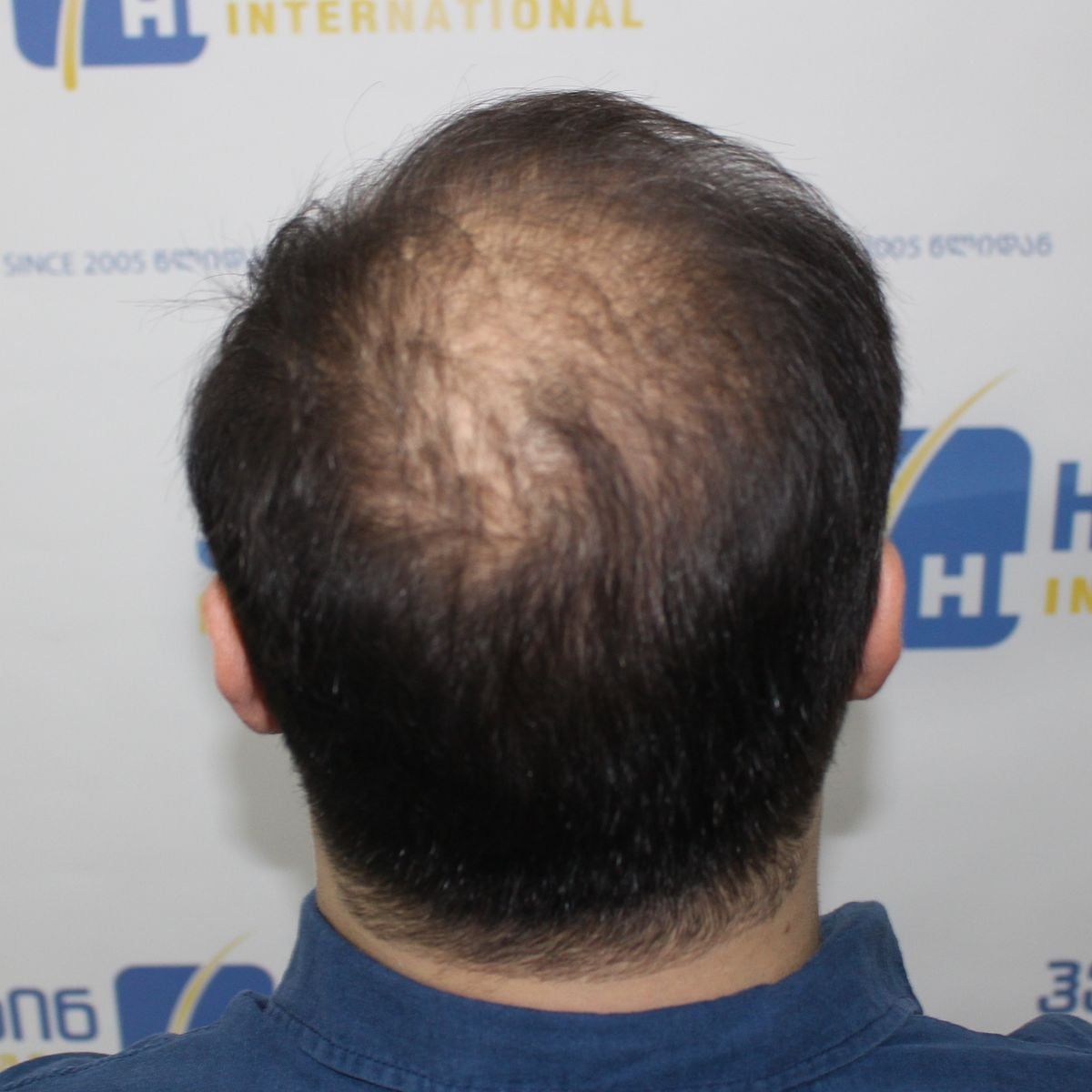
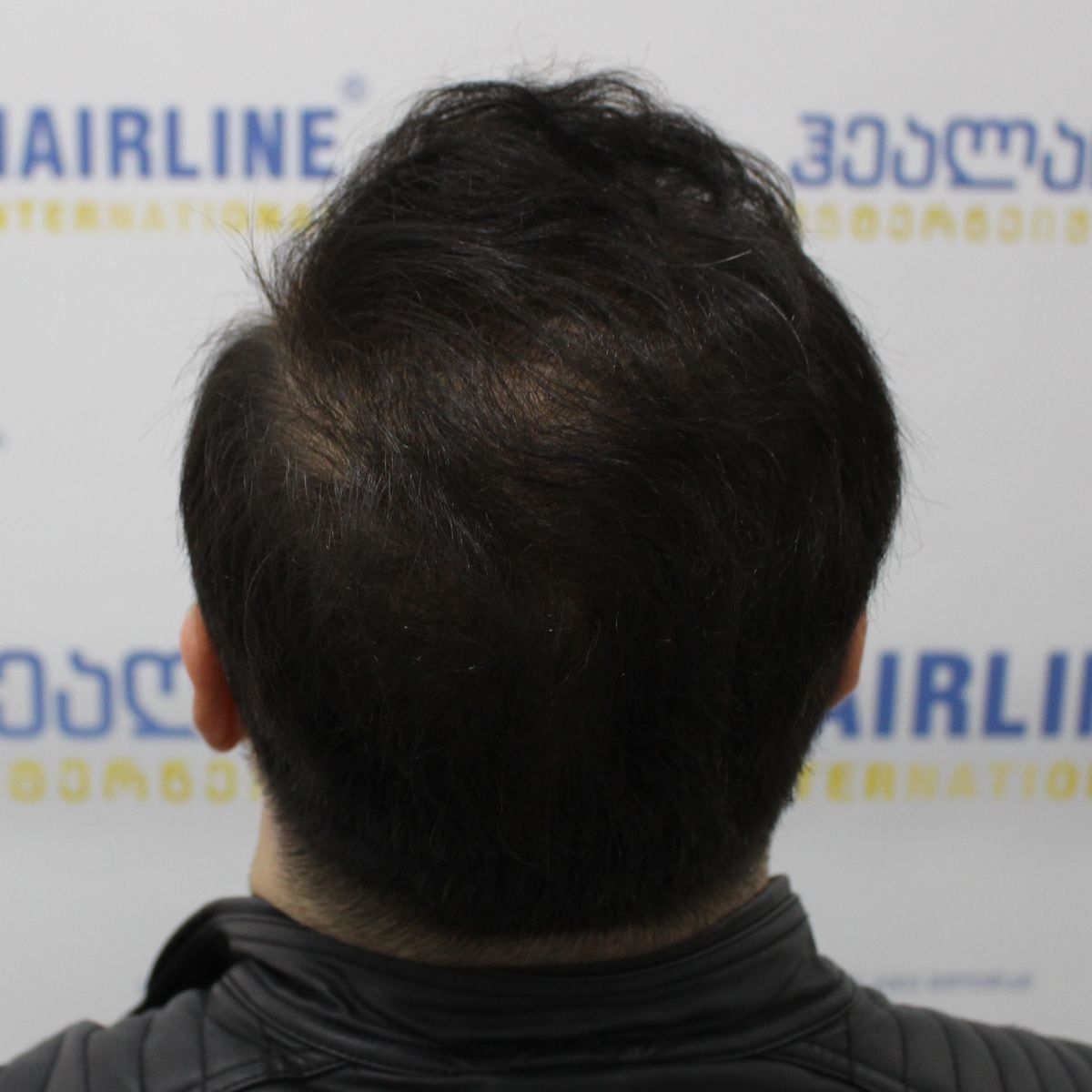
The front and top of the scalp were bare, with hair left only at the sides and back. Treated in one session and photographed at eleven months.
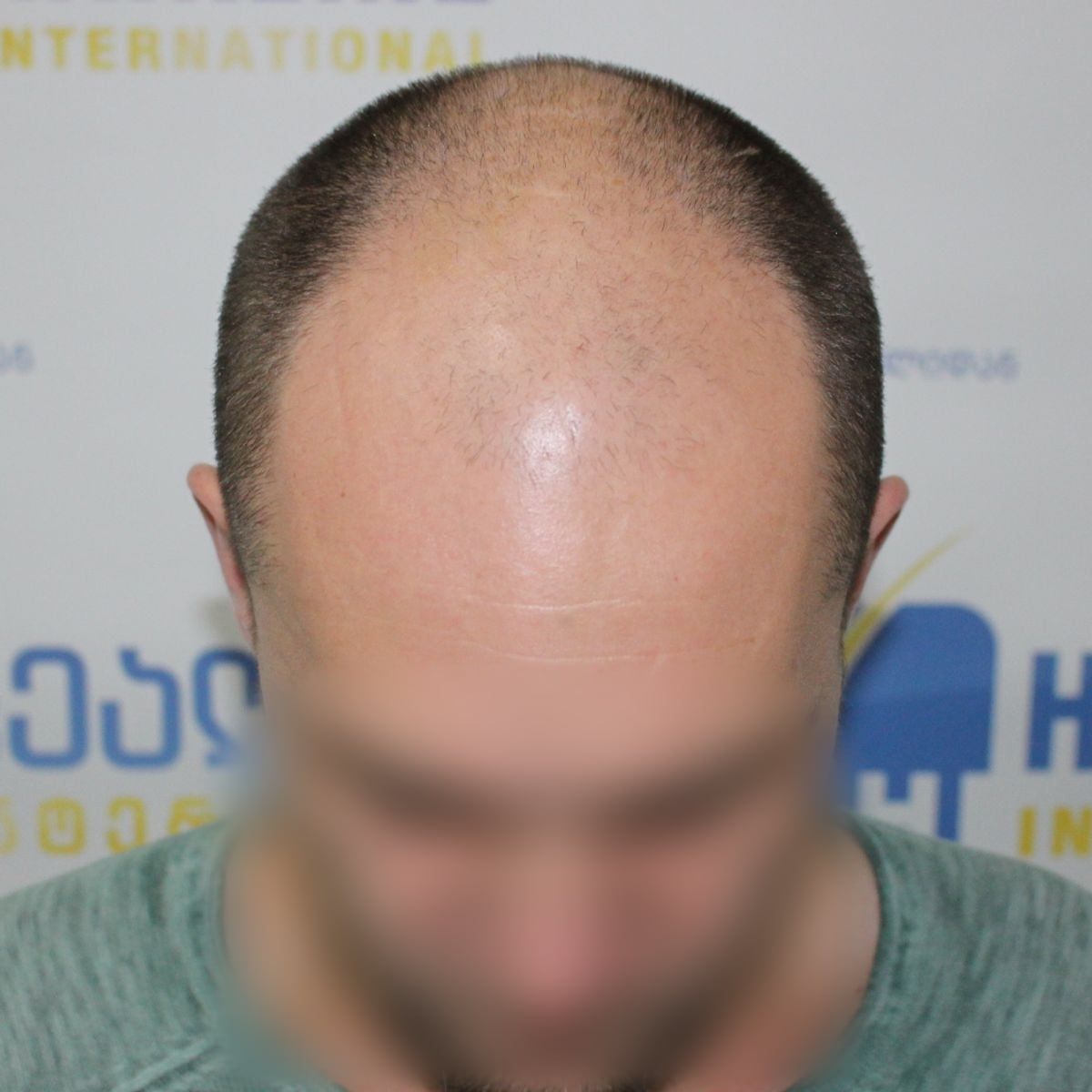
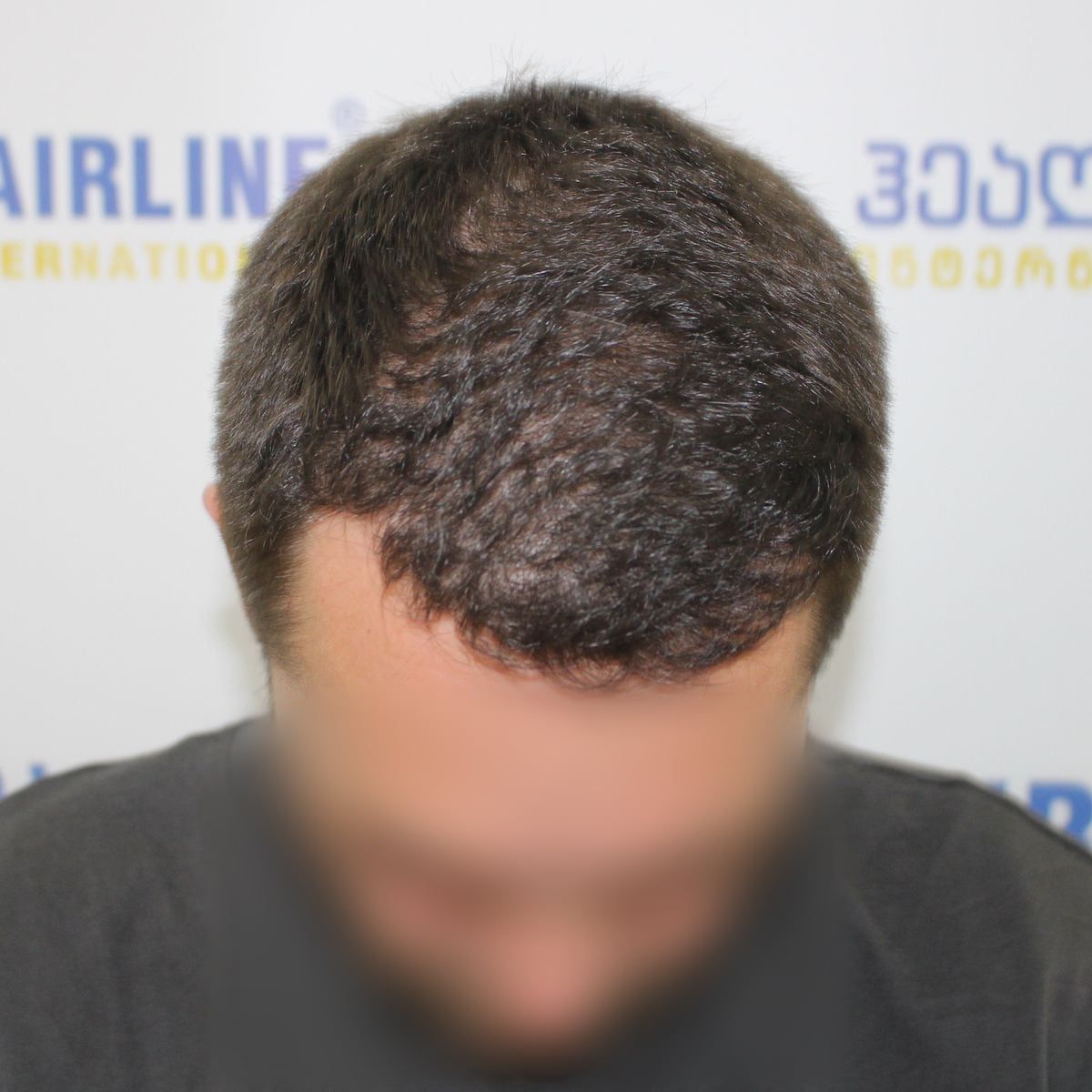
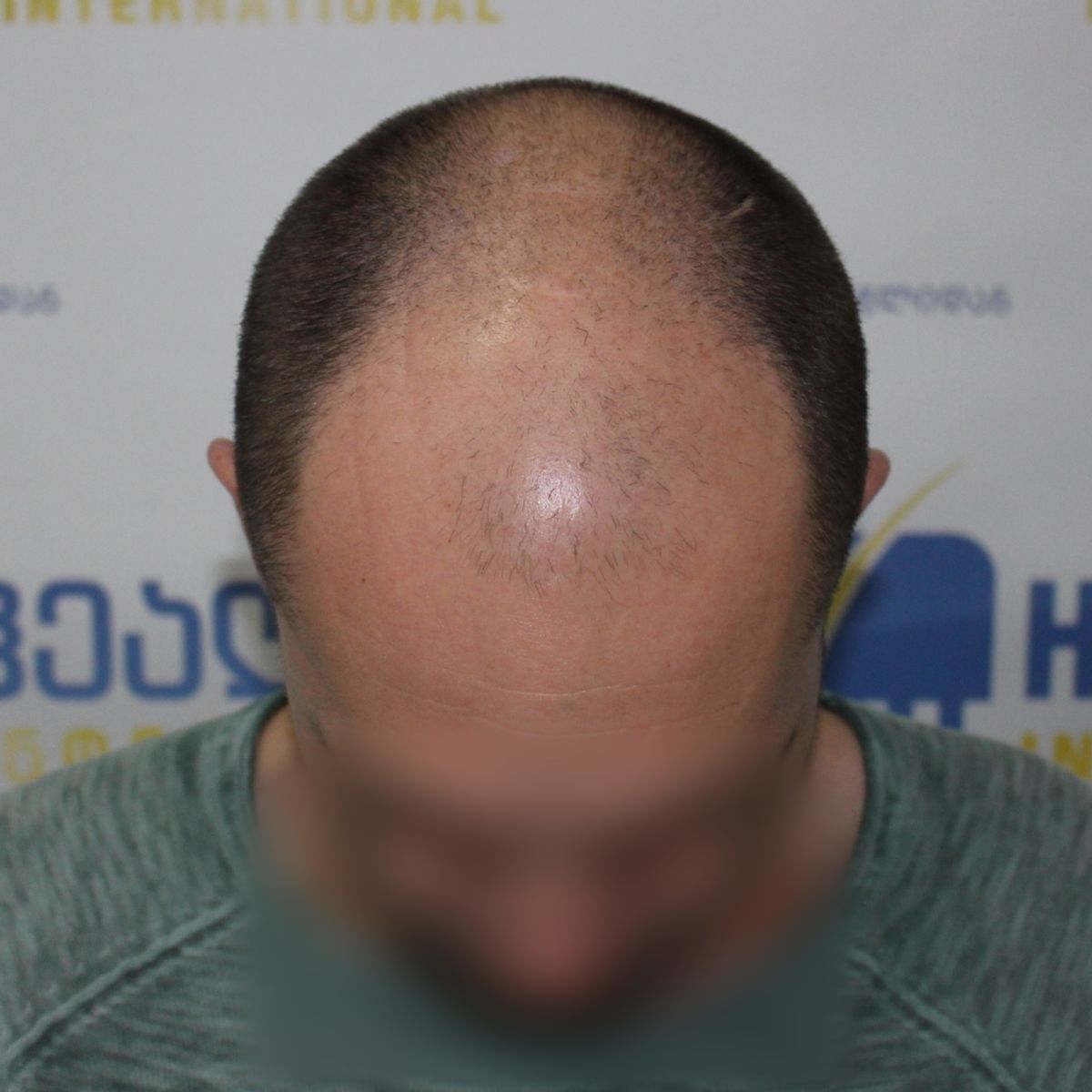
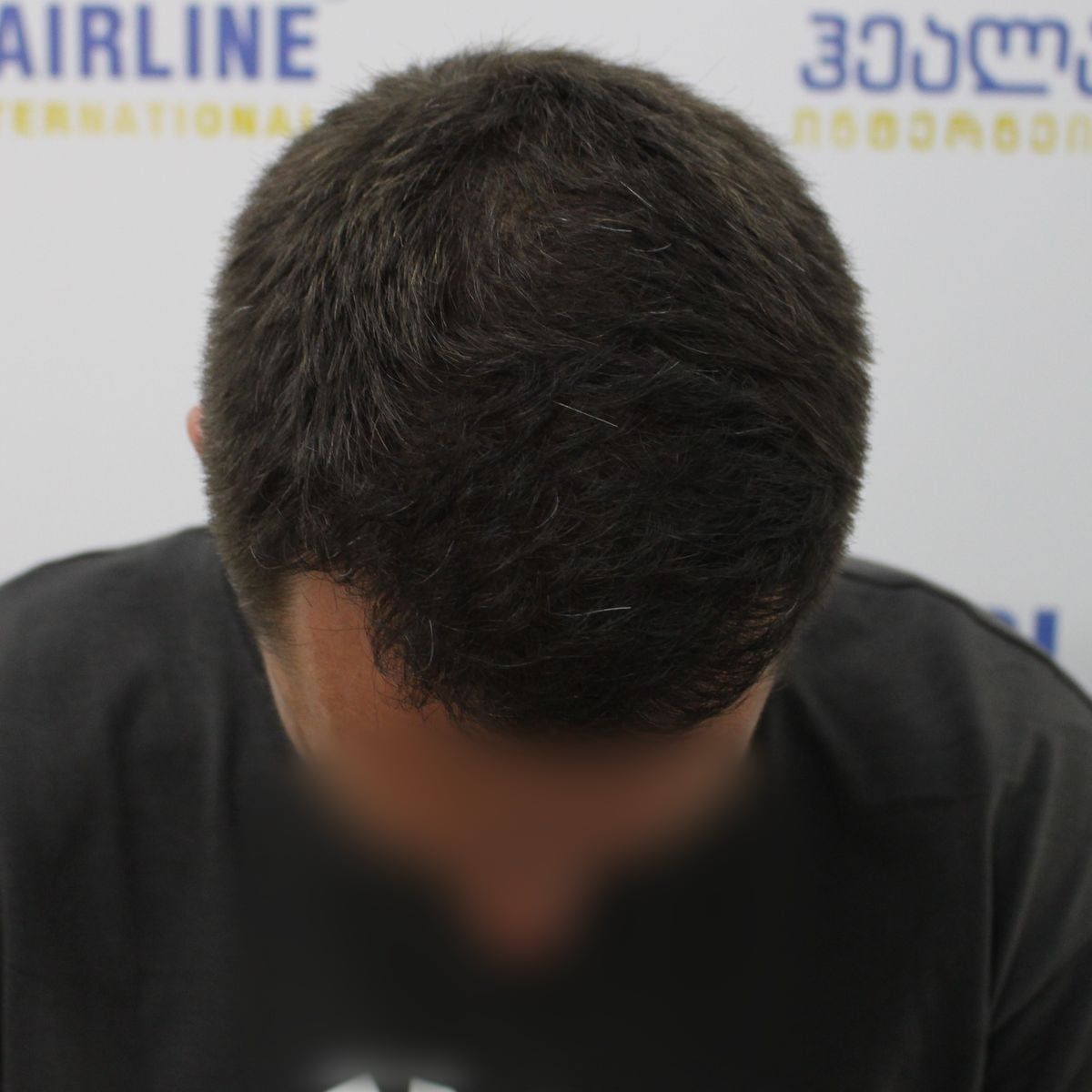
A receding front and an open crown, treated in two procedures. Photographed twelve months after the first.
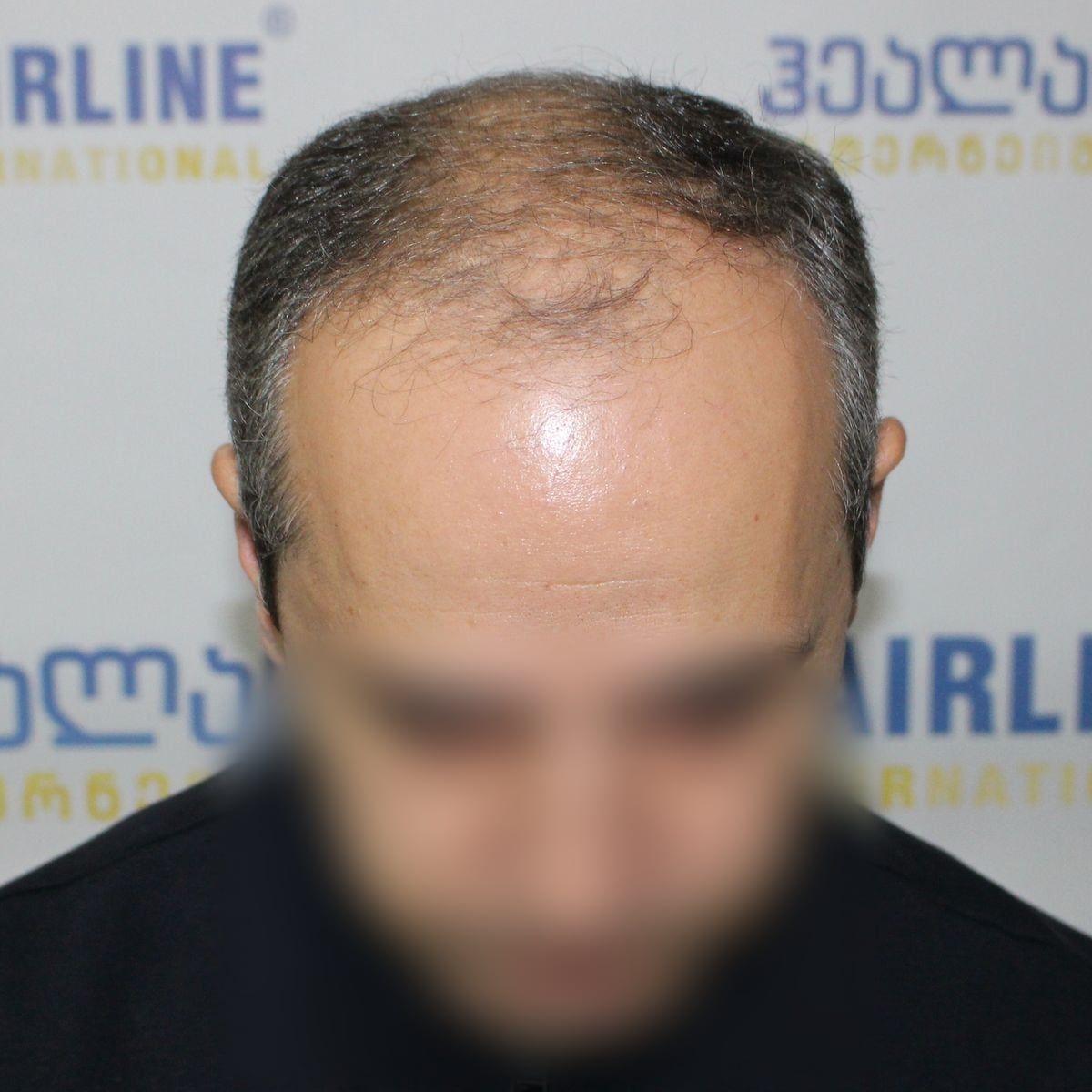
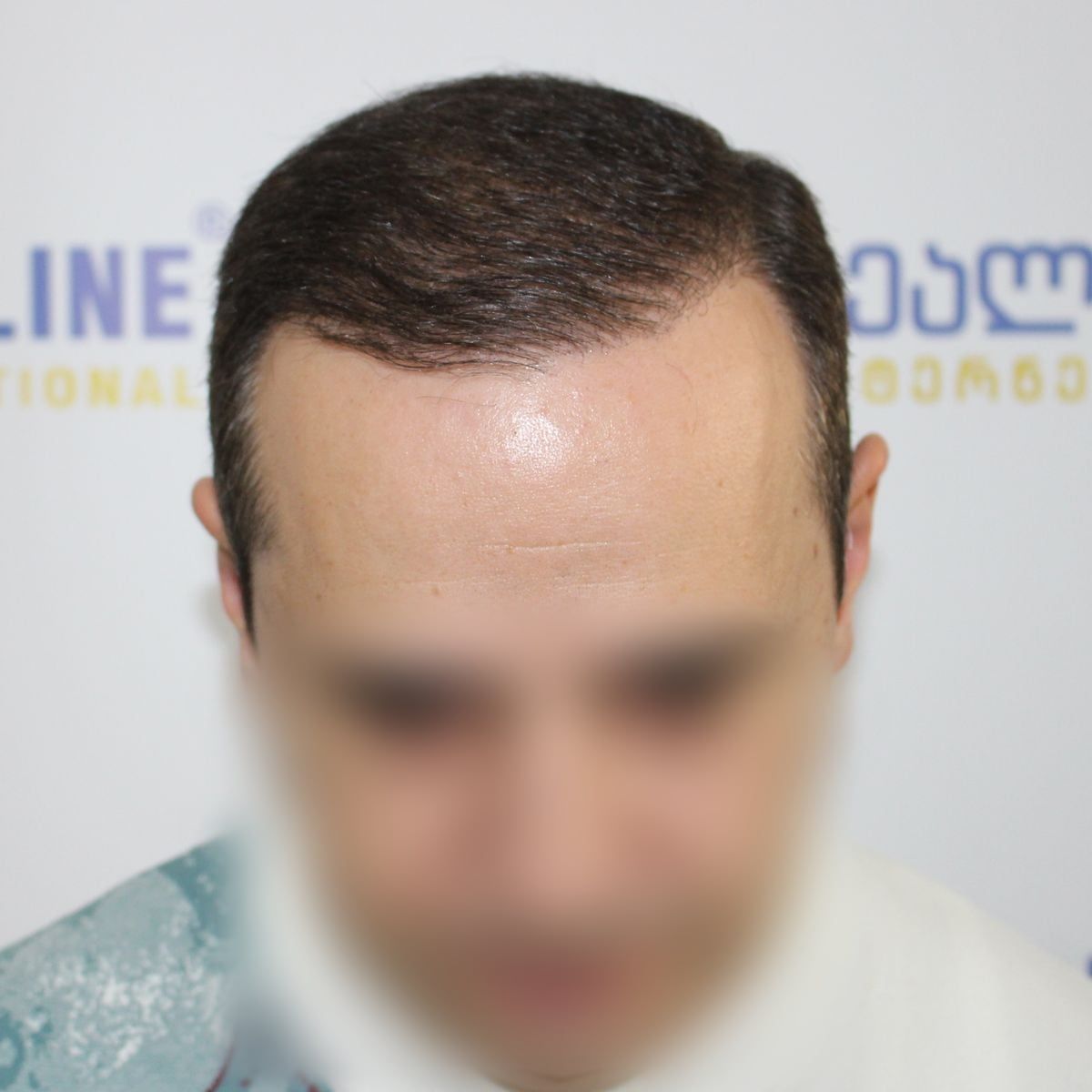
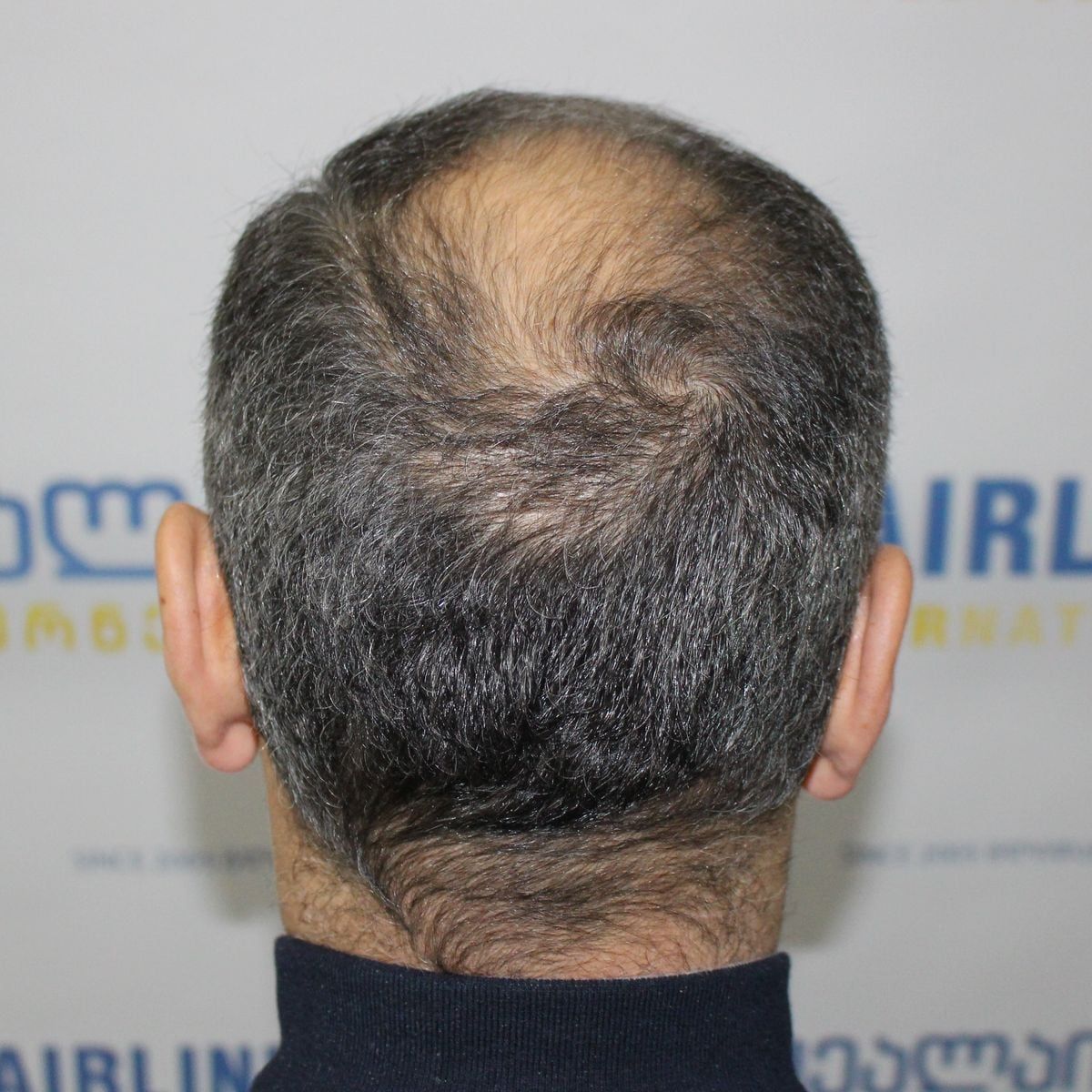
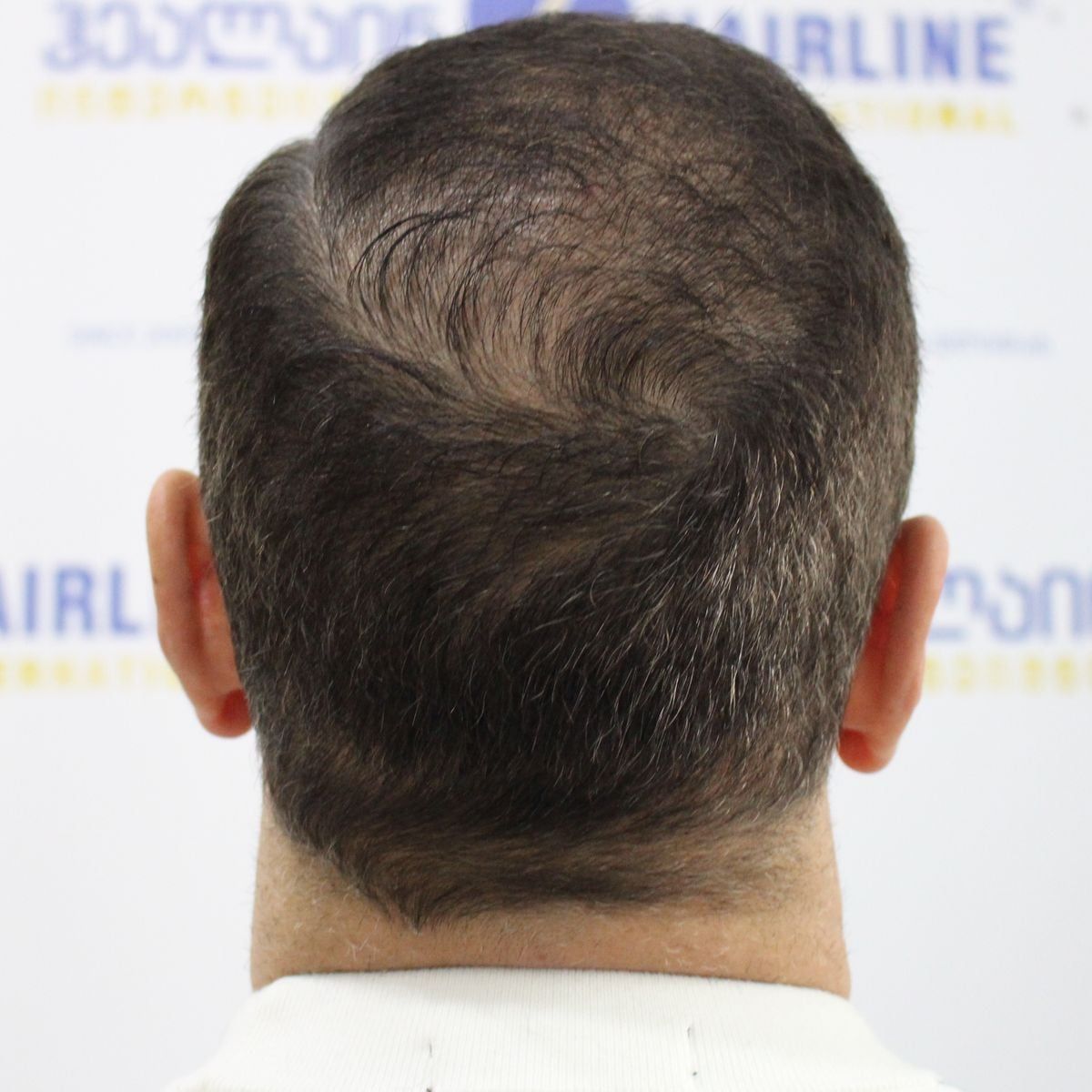
Recession at the temples and thinning through the forelock. Photographed seventeen months after surgery, once growth was complete.
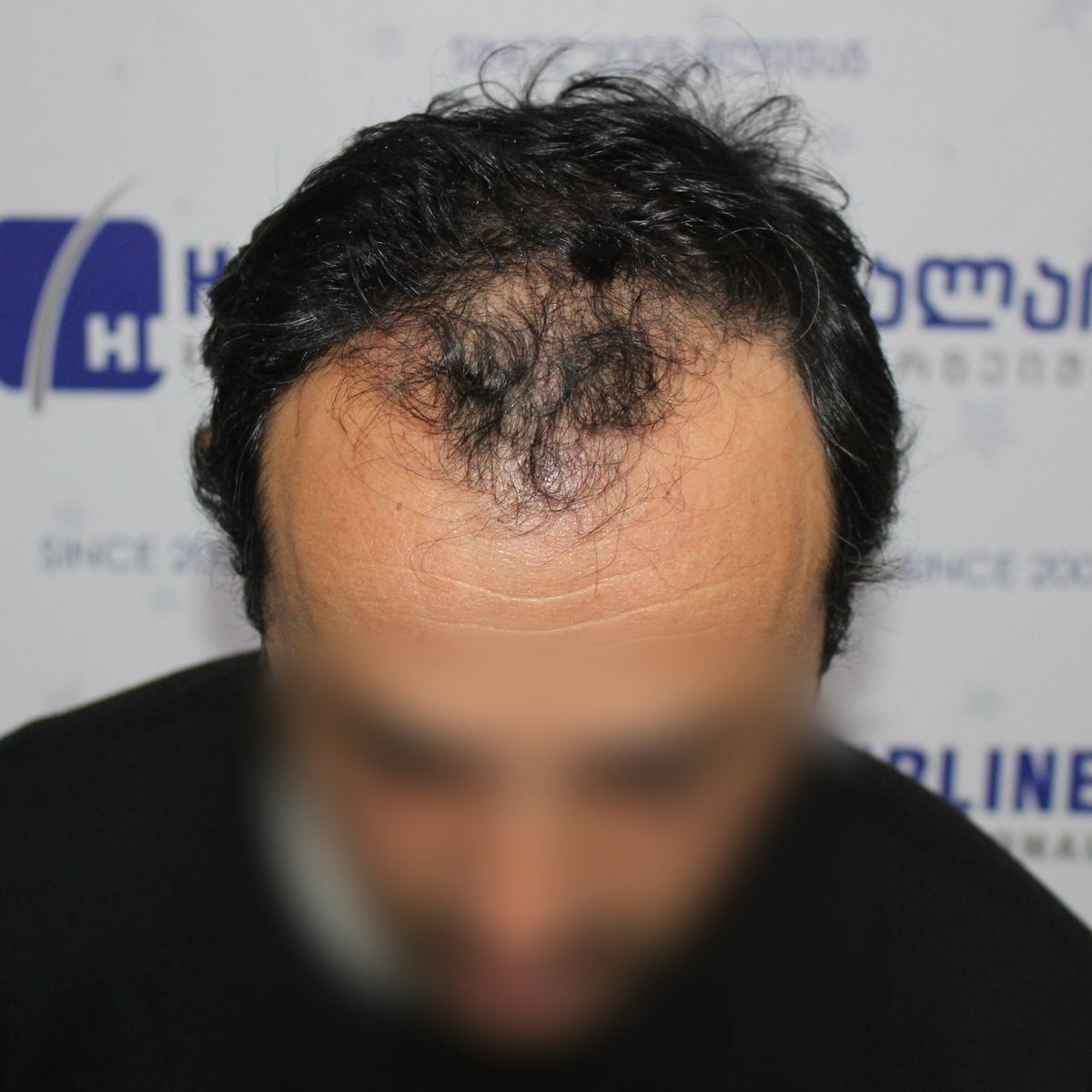
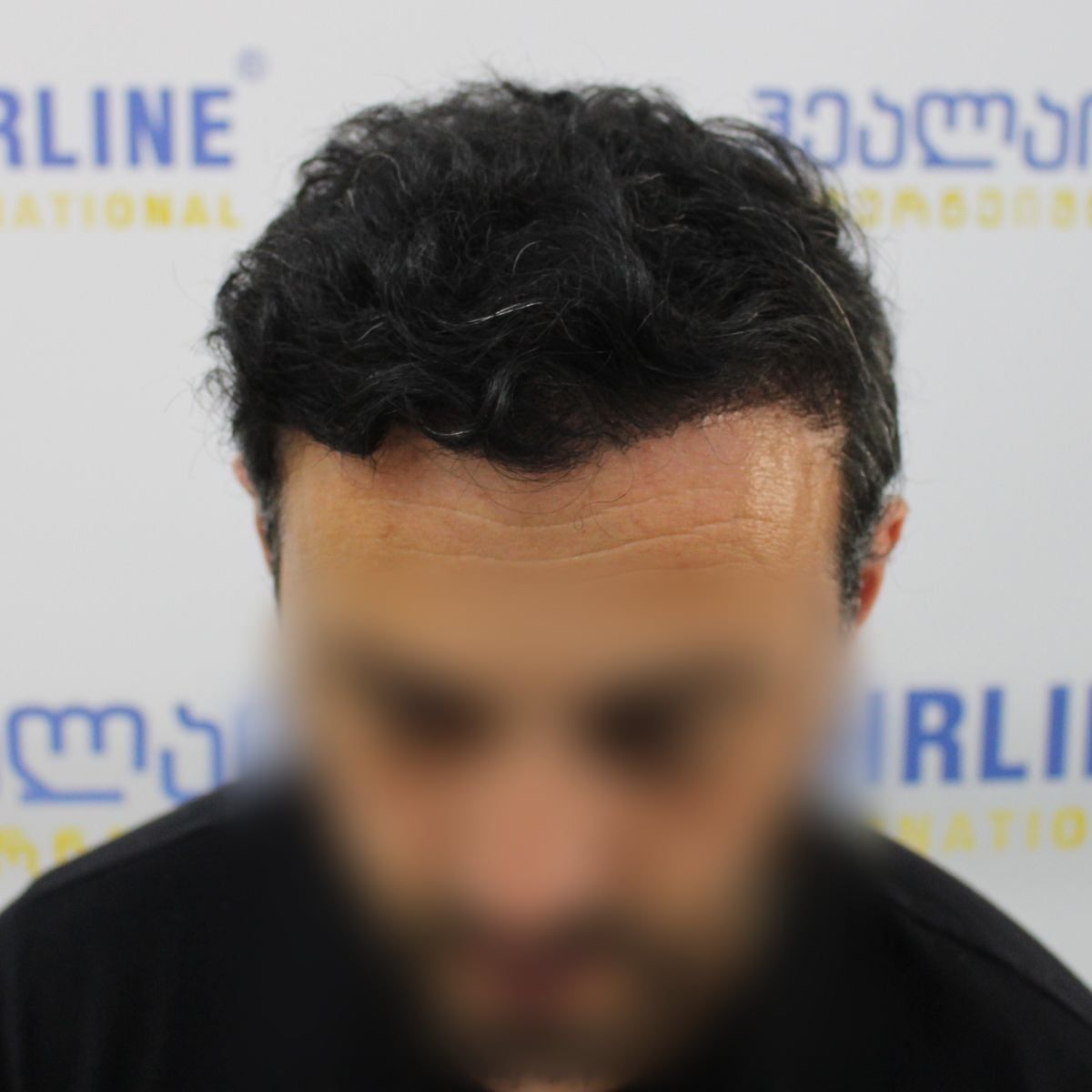
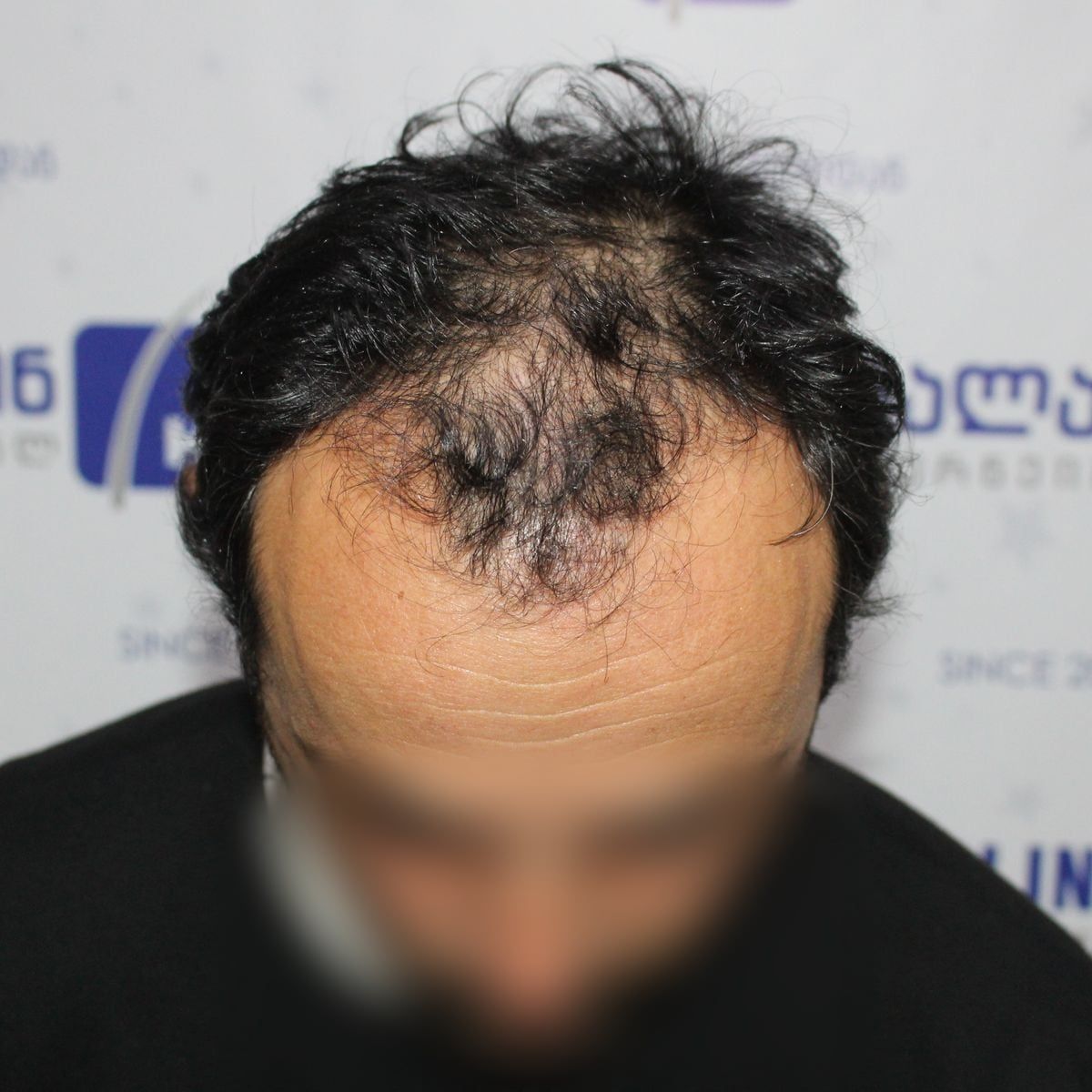
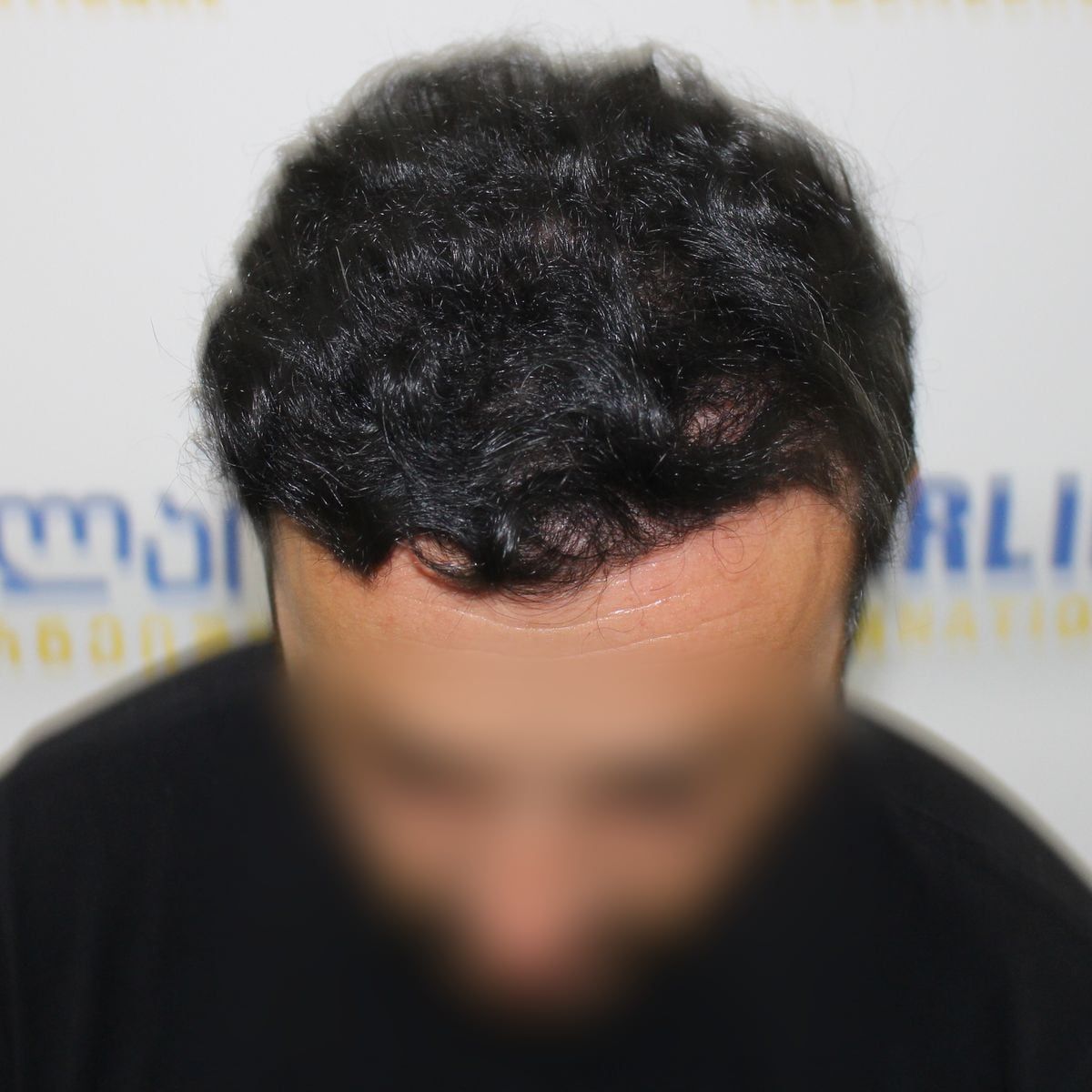
Frontal loss and a separately thinning crown, both treated in one session. Photographed at seven months, so density was still building.
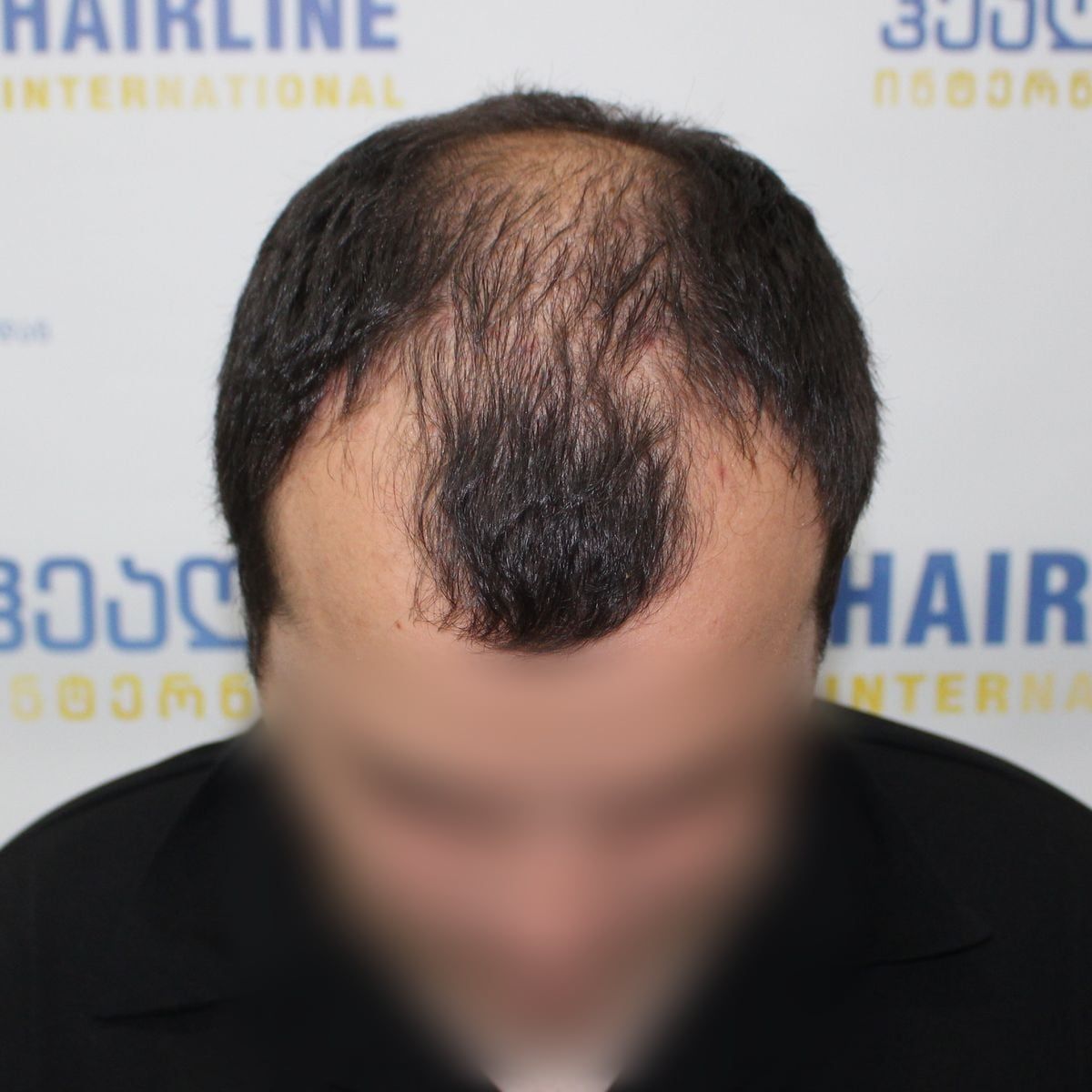
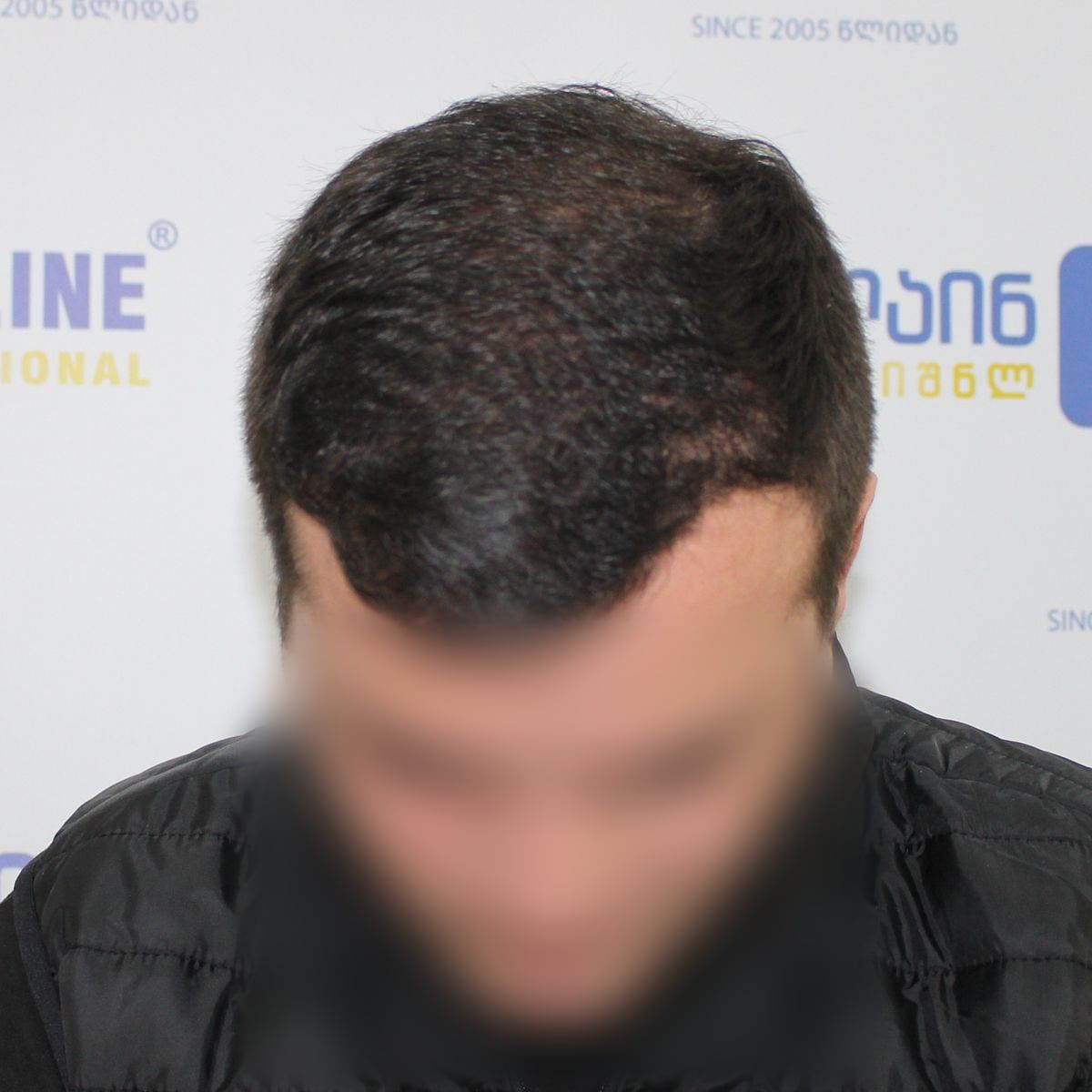
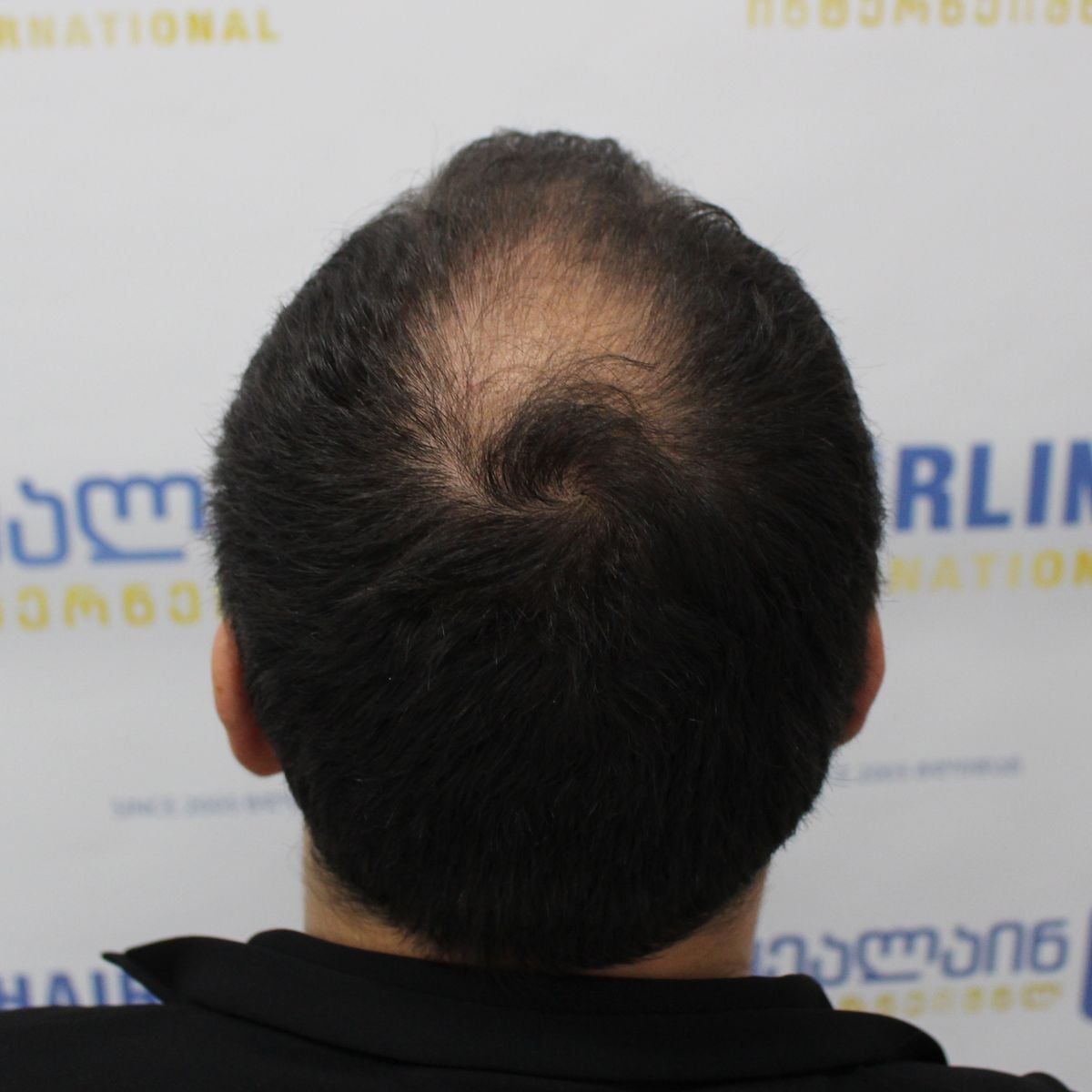
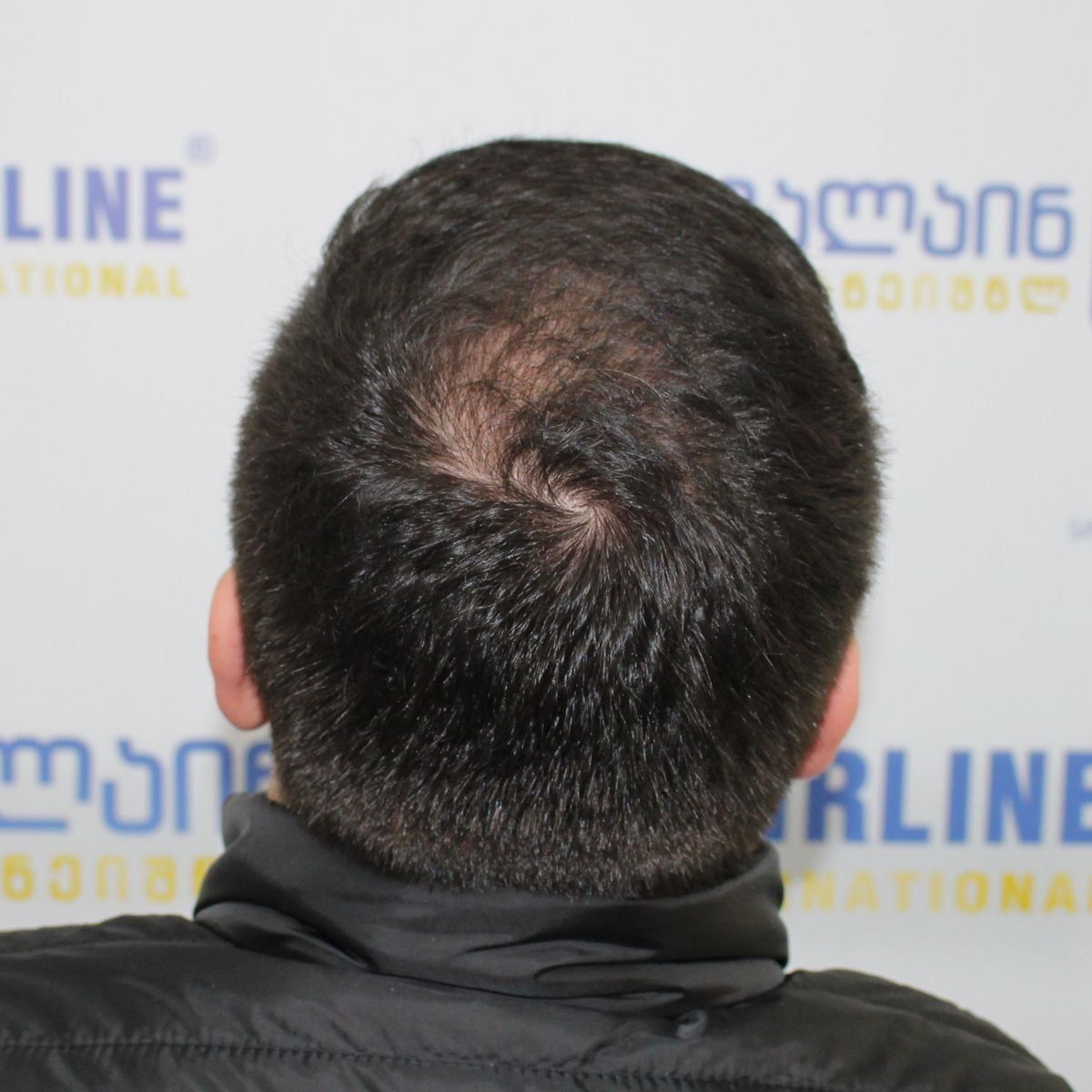
A gallery is a selection, and every clinic's is. What makes one useful is whether the pairs are comparable: same angle, same light, same place, and a stated interval between them. That is why each case here says how many months elapsed rather than just "after".
What it cannot tell you is what your own result would be. That is decided by how much donor hair you have and how much area needs covering. It is why the assessment matters more than the gallery. It is also why we will tell you when surgery is not the right route for you.
Understanding hair transplant results →